How to Learn a New Language Fast
Effective strategies and techniques for learning any foreign language, from immersion and spaced repetition to speaking practice and goal setting.
Things You'll Need
- Language learning app
- Notebook and pen
- Language exchange partner
- Immersion media
Steps
-
1
Choose Your Target Language
Select a language based on your goals — career, travel, culture, or personal interest. Consider how similar it is to languages you already know.
-
2
Set Clear Goals
Define what success looks like — conversational fluency, reading ability, or passing a proficiency exam. Break large goals into daily and weekly milestones.
-
3
Start with High-Frequency Words
Learn the 1,000 most common words in your target language first. These cover approximately 80% of everyday conversations and give you the fastest return on investment.
-
4
Use Spaced Repetition Systems
Use apps like Anki or Memrise that use spaced repetition to reinforce vocabulary. Review words just before you would forget them for maximum retention.
-
5
Practice Every Day
Dedicate at least 20-30 minutes daily to language learning. Consistency matters more than duration — daily practice builds neural pathways that sporadic study cannot.
-
6
Immerse Yourself
Change your phone and computer language, listen to podcasts and music, and watch movies in your target language. Even passive exposure trains your ear.
-
7
Use Flashcards
Create physical or digital flashcards for new vocabulary. Write the word on one side and the translation, example sentence, and pronunciation on the other.
-
8
Learn Grammar Incrementally
Study one grammar rule at a time and apply it immediately in your writing and speaking. Don't try to memorize all grammar rules before speaking.
-
9
Practice Listening
Listen to native speakers through podcasts, YouTube, and music. Start with slow, clear speech and gradually increase speed and complexity.
-
10
Practice Speaking
Find a language exchange partner through apps like HelloTalk or Tandem. Speak from day one — even if you make mistakes. Fluency comes through speaking, not just studying.
-
11
Record Yourself Speaking
Record audio of yourself speaking the target language and compare it to native speakers. This helps you identify pronunciation issues you may not notice while speaking.
-
12
Write in the Target Language
Keep a daily journal in your target language. Start with simple sentences and gradually increase complexity. Use online correctors to check your writing.
-
13
Read Graded Readers
Start with simplified books designed for language learners. Gradually progress to native-level materials as your reading improves.
-
14
Use Context Clues
When encountering new words in text, try to guess meaning from context before looking up the translation. This improves your comprehension skills.
-
15
Label Your Environment
Label objects in your home with their names in the target language. This creates constant, passive exposure to everyday vocabulary.
-
16
Learn Common Phrases
Memorize common conversational phrases — greetings, questions, expressions of agreement and disagreement. These get you through basic conversations quickly.
-
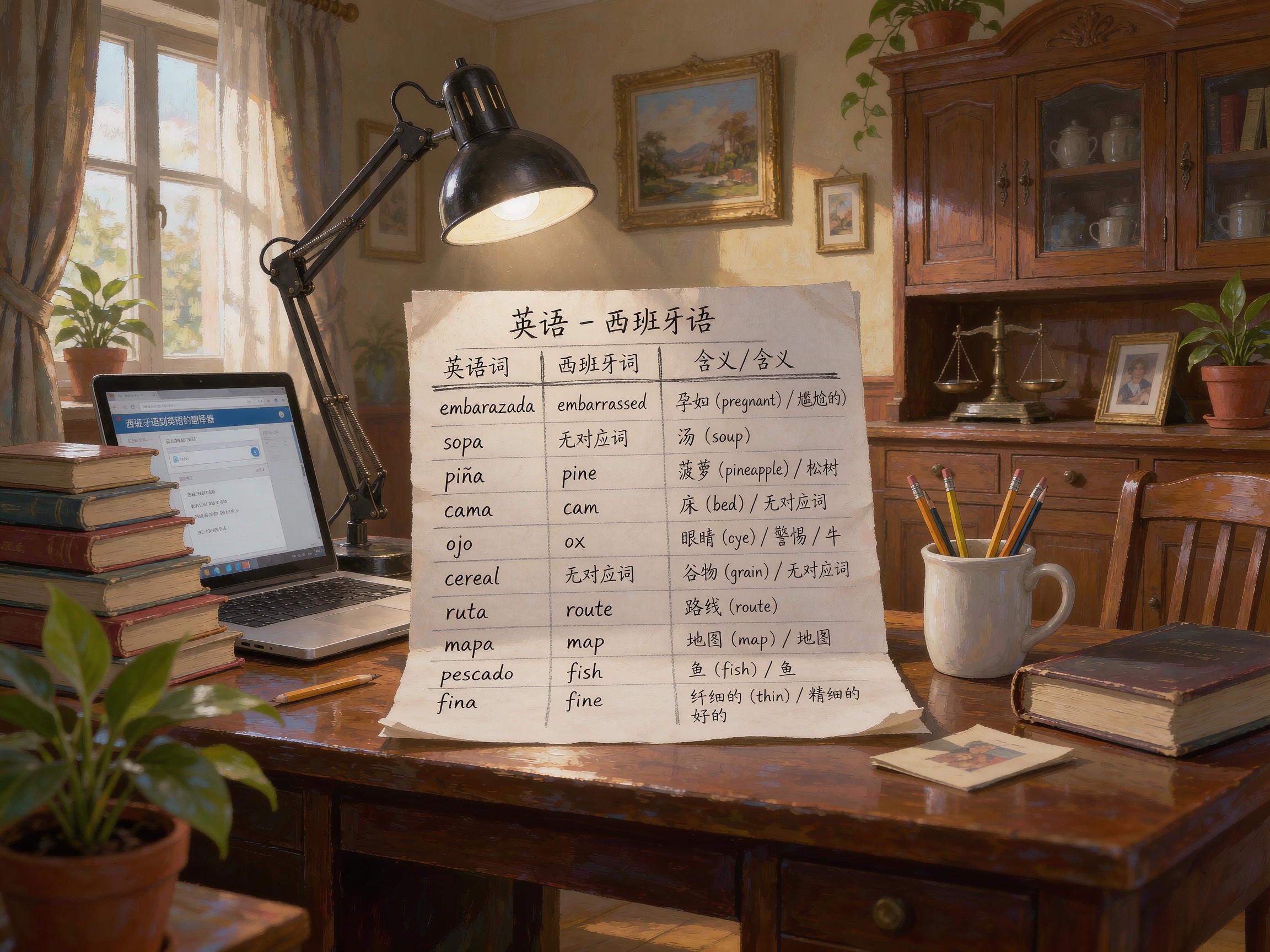
17
Study Cognates and False Friends
Identify words that look similar between your native language and the target language. Be aware of false friends that look similar but have different meanings.
-
18
Use Multiple Resources
Don't rely on just one app or book. Combine apps, textbooks, videos, podcasts, and conversation practice for a well-rounded learning experience.
-
19
Review and Review Again
Regularly revisit material you have already studied. Spaced review prevents forgetting and reinforces long-term retention.
-
20
Travel or Watch Media Abroad
If possible, visit a country where the language is spoken. Watching media produced by native speakers shows you authentic language use in context.
-
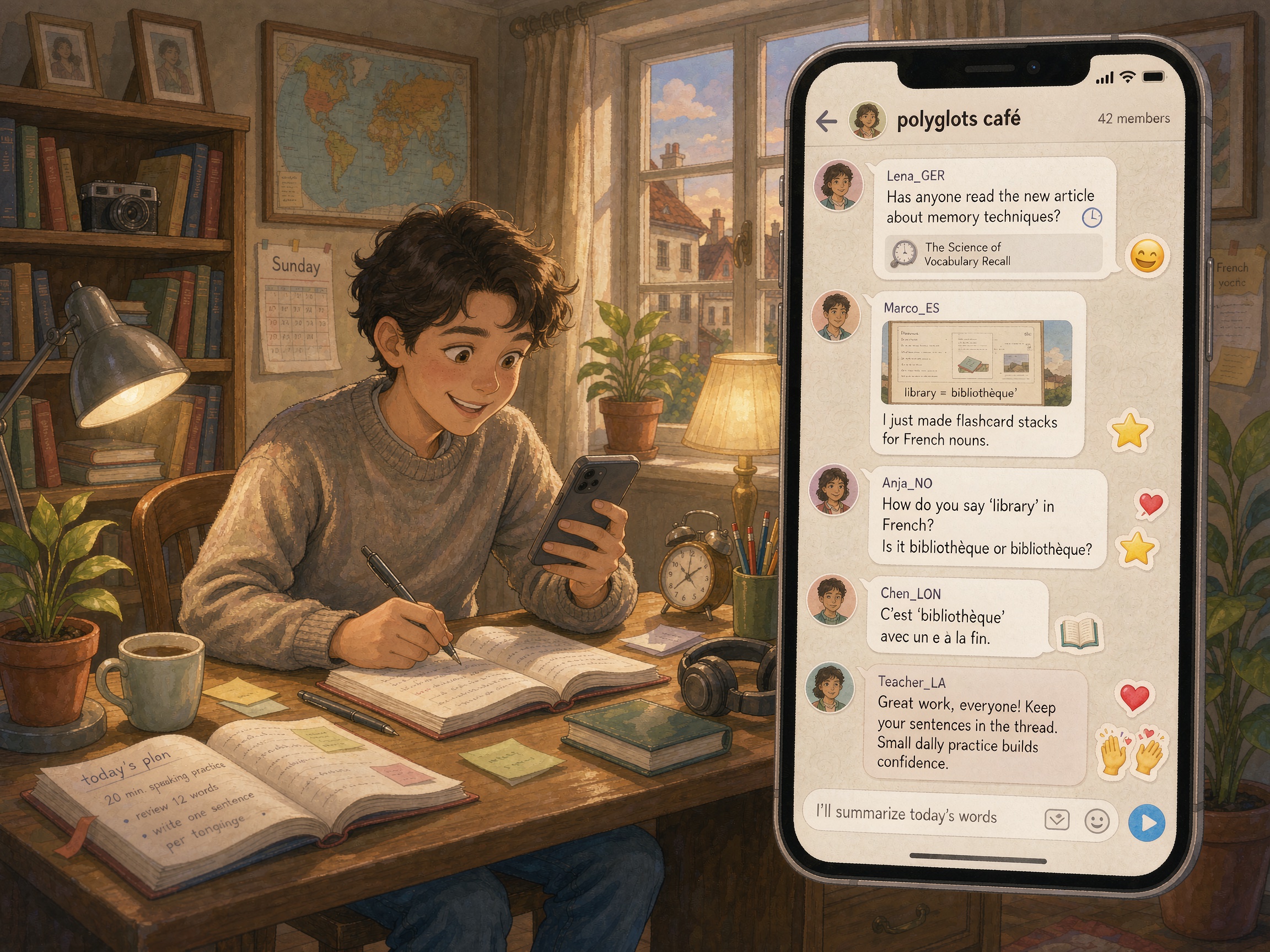
21
Join a Language Community
Find local language groups, online communities, or classes. Social interaction makes learning more enjoyable and provides accountability.
-
22
Track Your Progress
Take periodic proficiency tests or record yourself to measure improvement. Seeing progress motivates you to keep going.
-
23
Don't Fear Making Mistakes
Mistakes are essential to learning. Native speakers appreciate your effort, and every mistake teaches you something. Perfectionism kills fluency.
-
24
Stay Motivated
Connect language learning to your personal interests — favorite movies, music, food, or hobbies. Learning becomes effortless when it feels like entertainment.
-
25
Be Patient
Language learning is a marathon, not a sprint. Fluency takes months or years, not weeks. Celebrate small victories and stay committed to daily practice.























Tips
- Consistency beats intensity — 20 minutes daily is better than 3 hours on weekends
- Speak from day one — don't wait until you 'know enough' to start talking
- Use multiple resources to avoid boredom and gain different perspectives
- Set realistic milestones and celebrate when you reach them
Warnings
- Don't compare your progress to others — everyone learns at a different pace
- Avoid spending all your time on one skill — balance listening, speaking, reading, and writing
- Don't rely solely on apps — they are tools, not complete language courses