How to Jump-Start a Car Safely
Step-by-step instructions for safely jump-starting a dead car battery, including cable connections and safety precautions.
Things You'll Need
- Jumper cables
- Working vehicle with charged battery
- Safety gloves
- Safety glasses
Steps
-
1
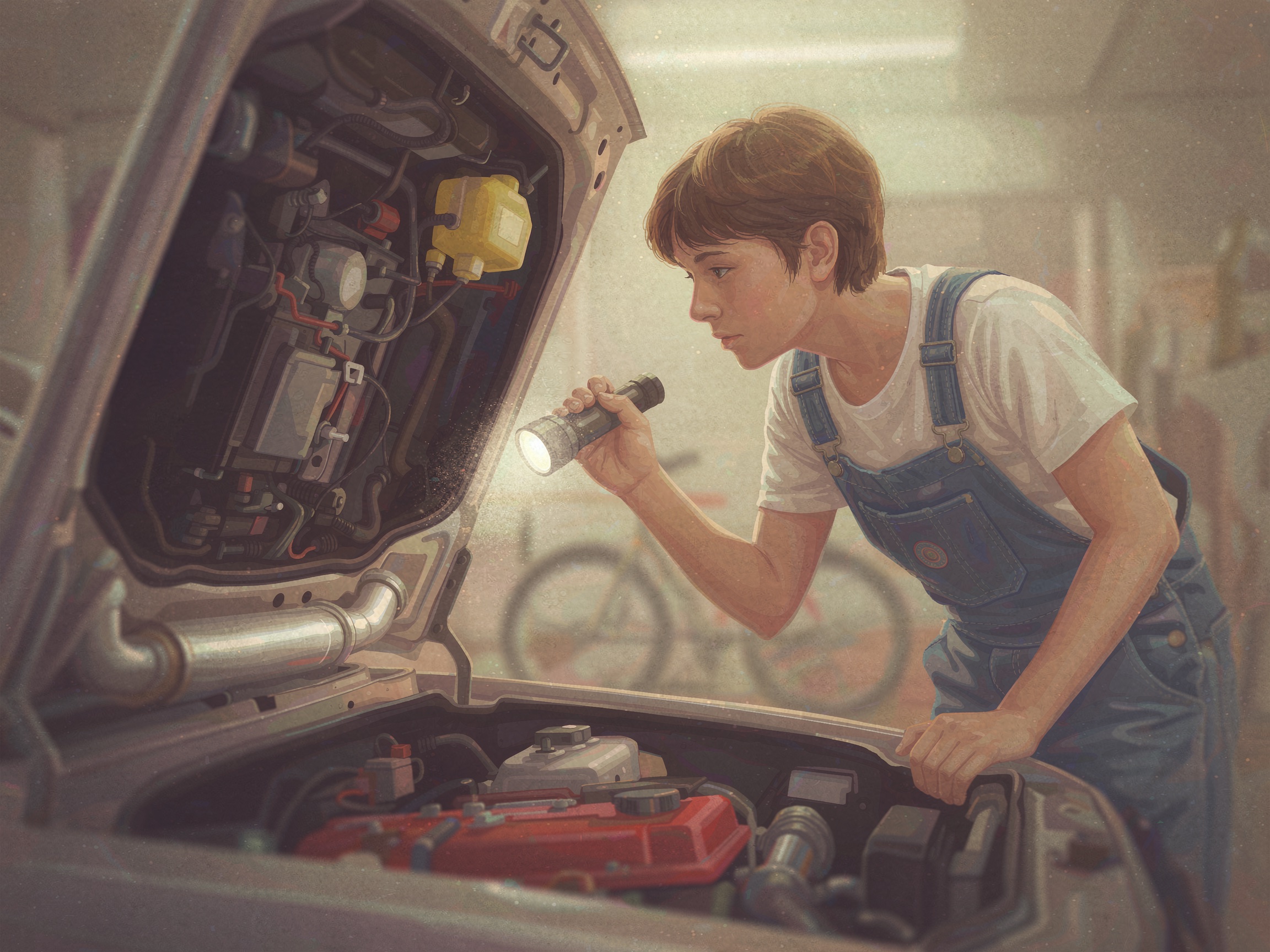
Read Your Owner's Manual
Consult the manual for your specific vehicle's recommended jump-start procedure and the location of the battery and jump-start terminals.
-
2
Position the Vehicles
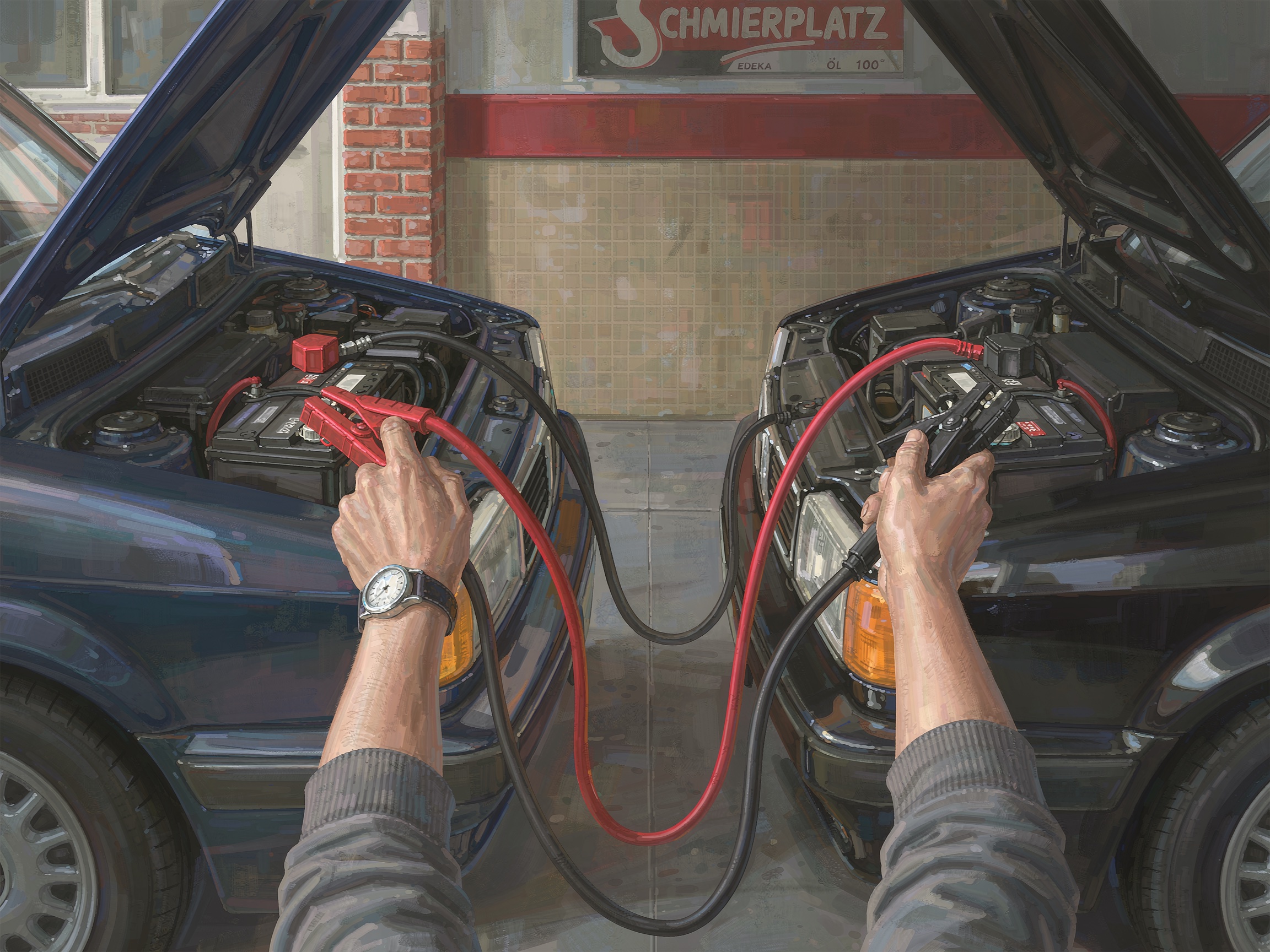
Park the working vehicle close to the dead vehicle, about 18 inches apart. Make sure both vehicles are turned off and in park or neutral with the parking brake engaged.
-
3
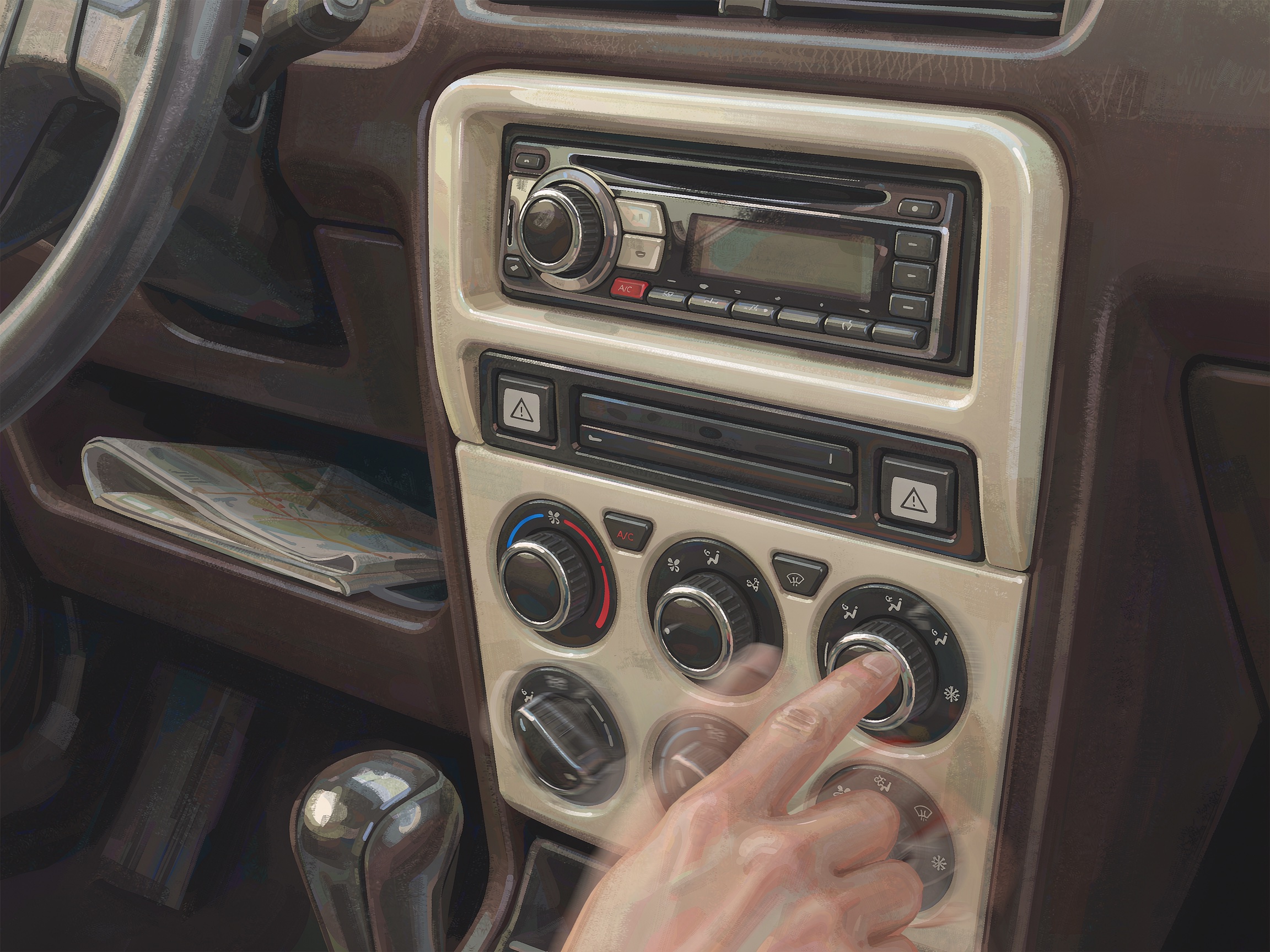
Turn Off Accessories
Turn off all electrical accessories in both vehicles — radio, air conditioning, lights, and any plugged-in devices. This reduces electrical load during the jump-start.
-
4
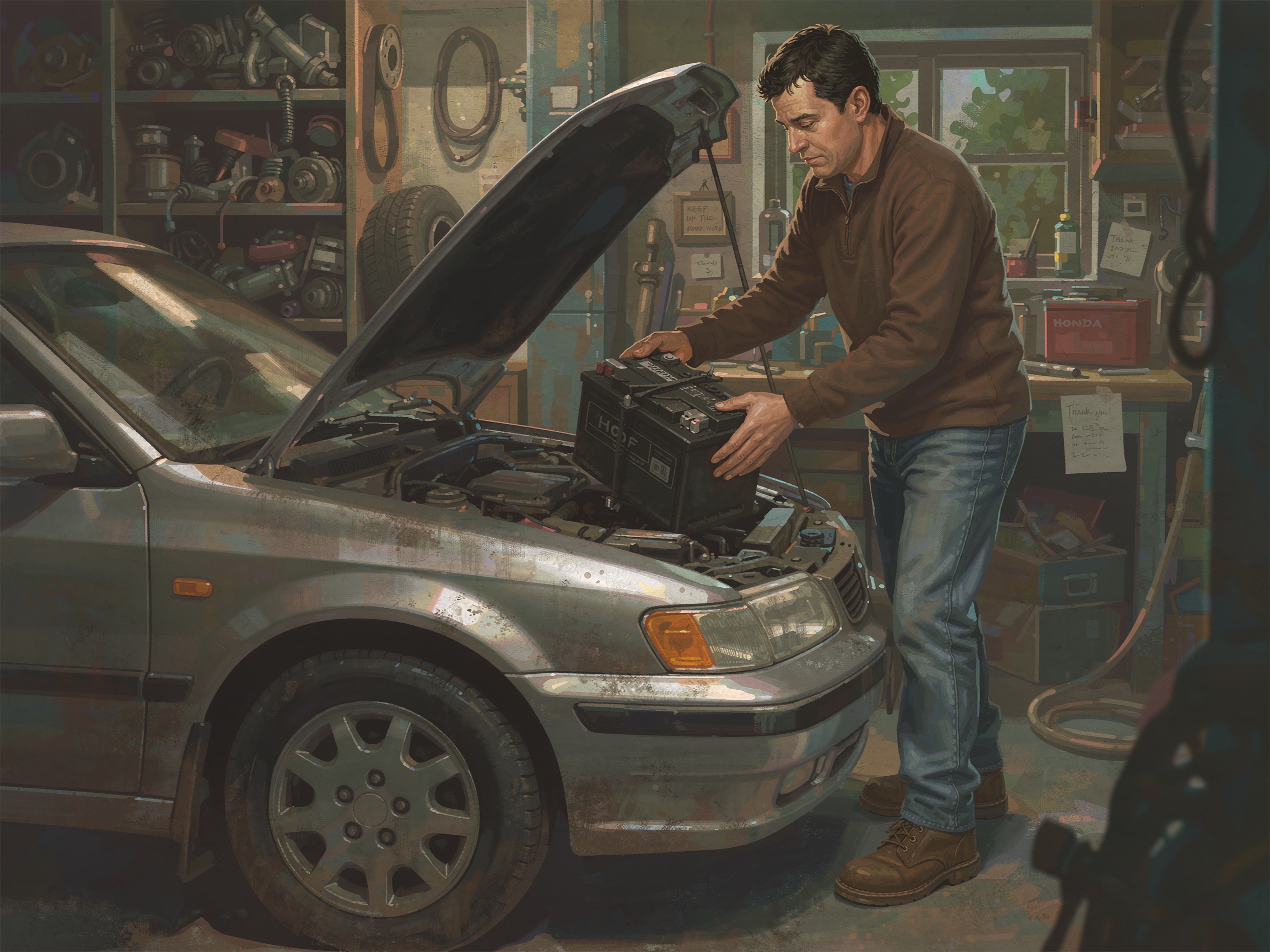
Locate the Batteries
Open both hoods and locate the batteries. Some vehicles have remote jump-start terminals under the hood, often marked with a positive or negative symbol.
-
5
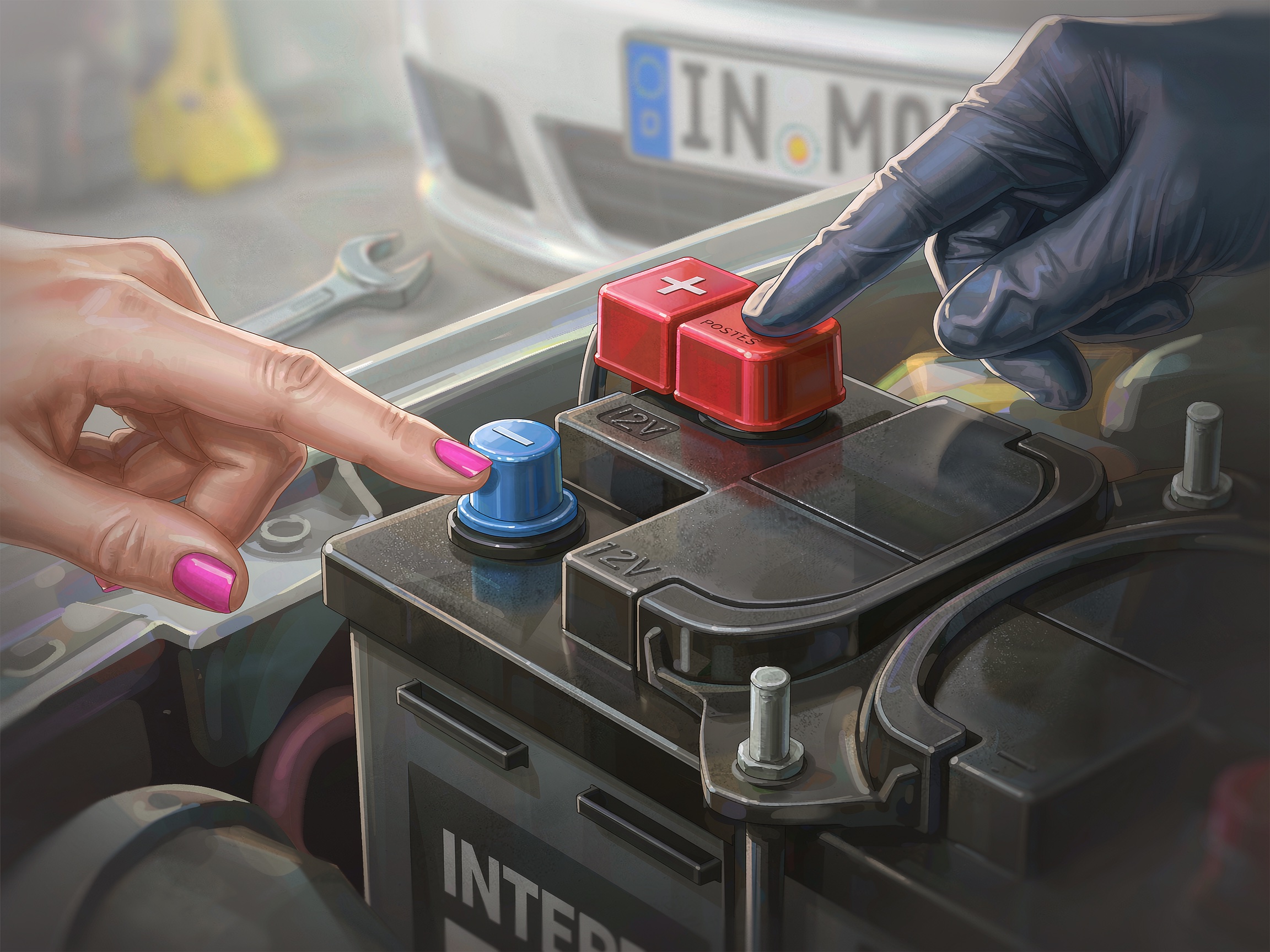
Identify Positive and Negative
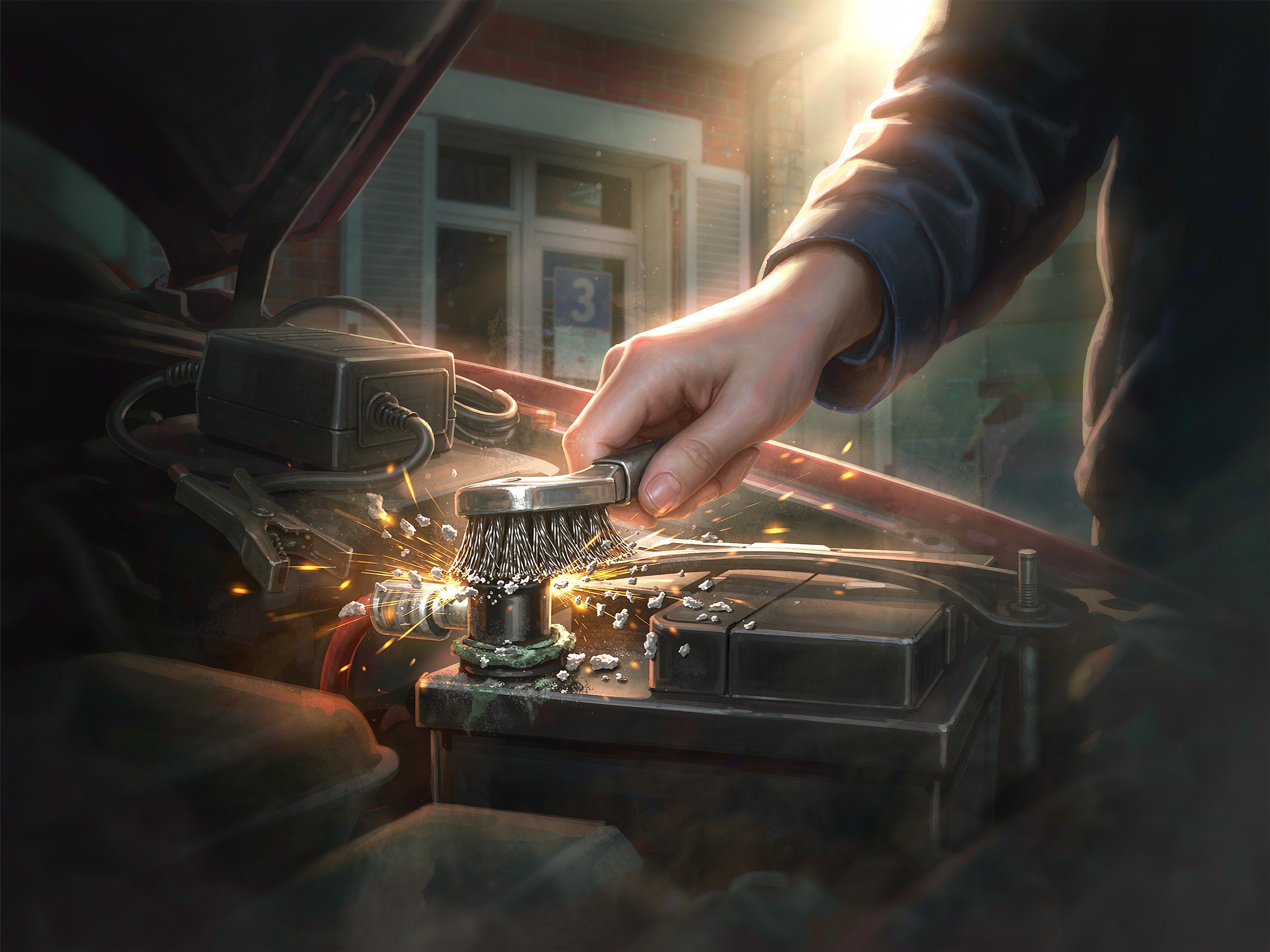
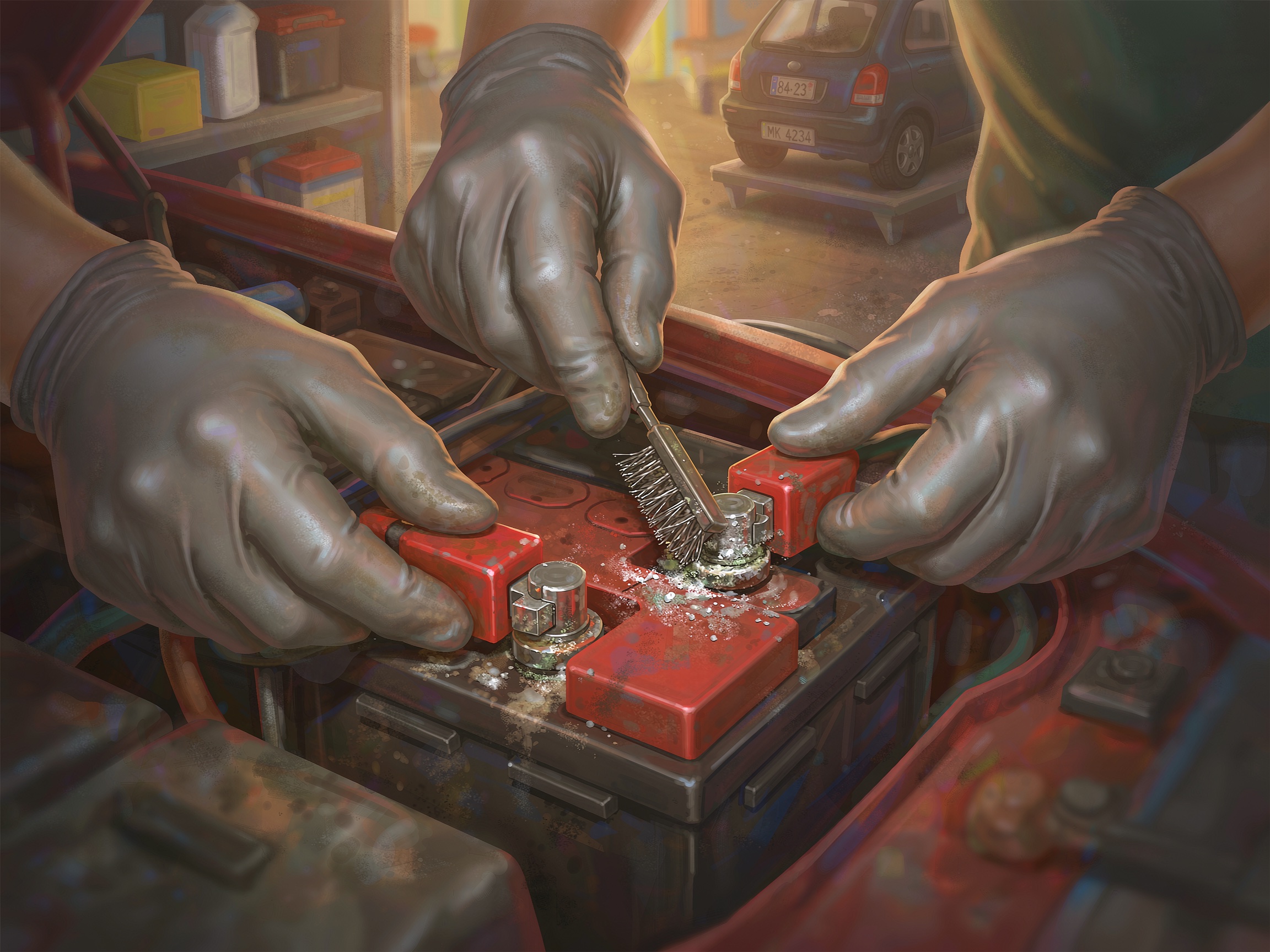
The positive terminal is marked with a plus sign (+) and is usually red. The negative terminal is marked with a minus sign (-) and is usually black. Clean any corrosion from the terminals with a wire brush.
-
6
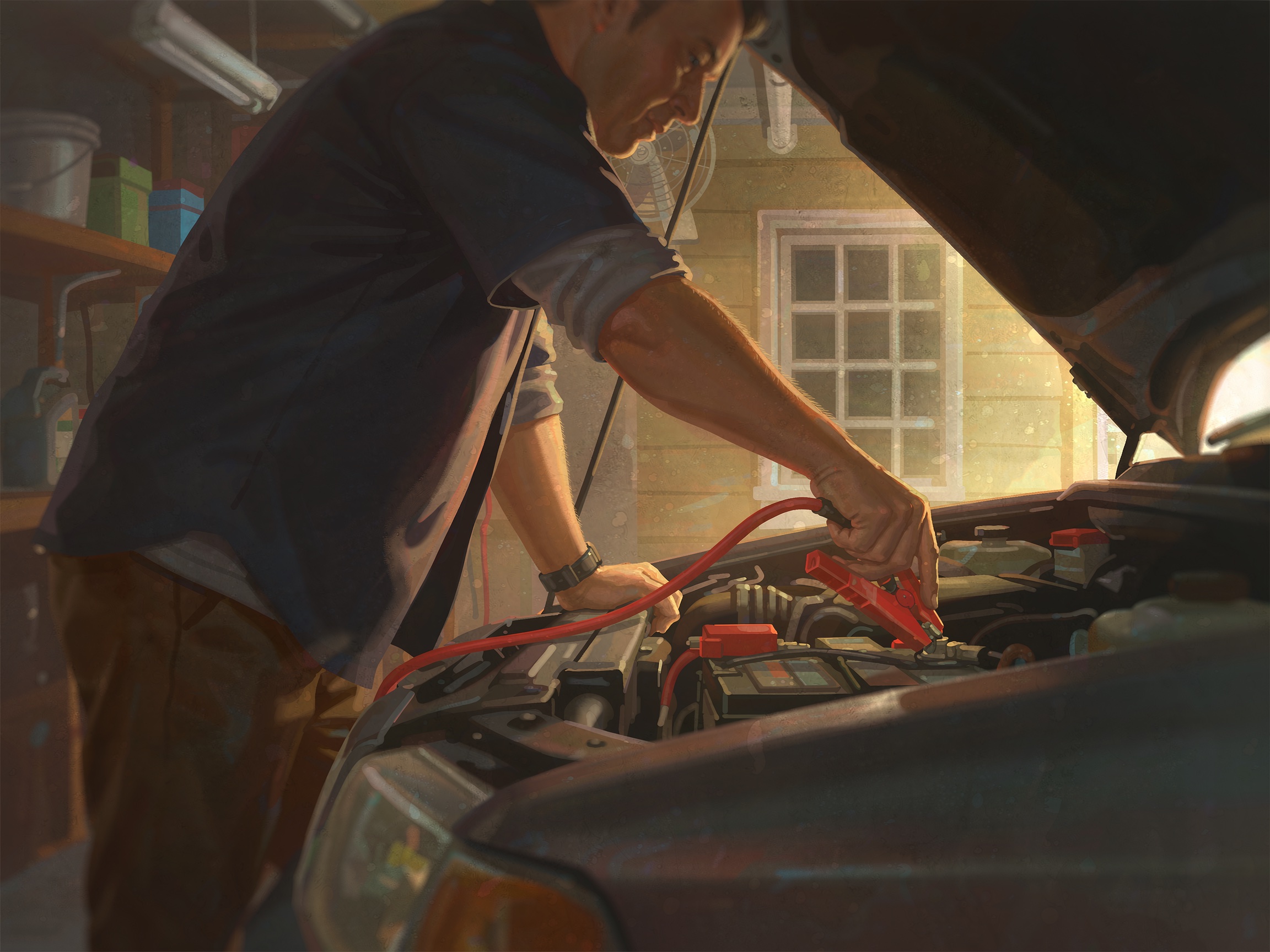
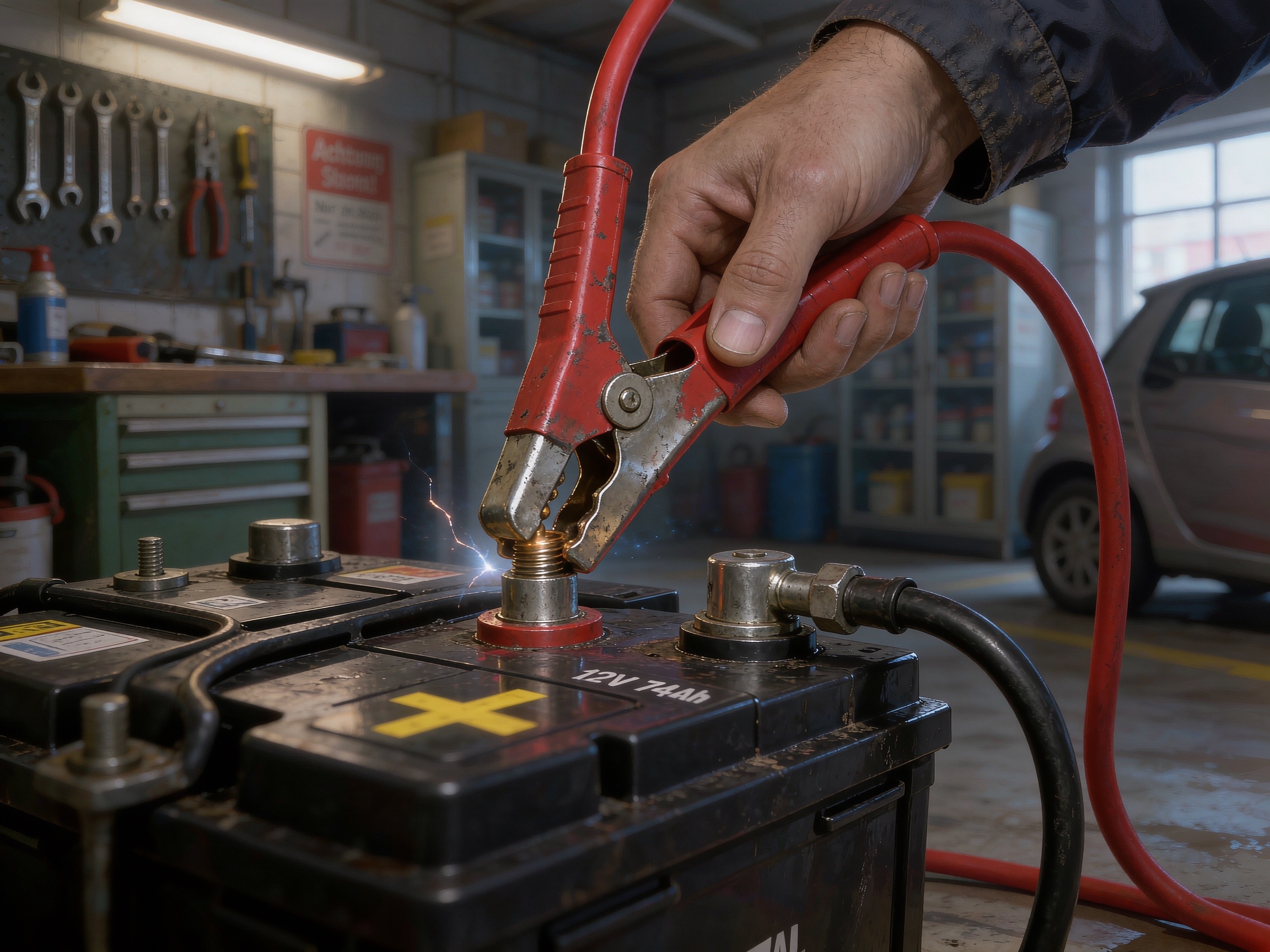
Attach Red Cable to Dead Battery
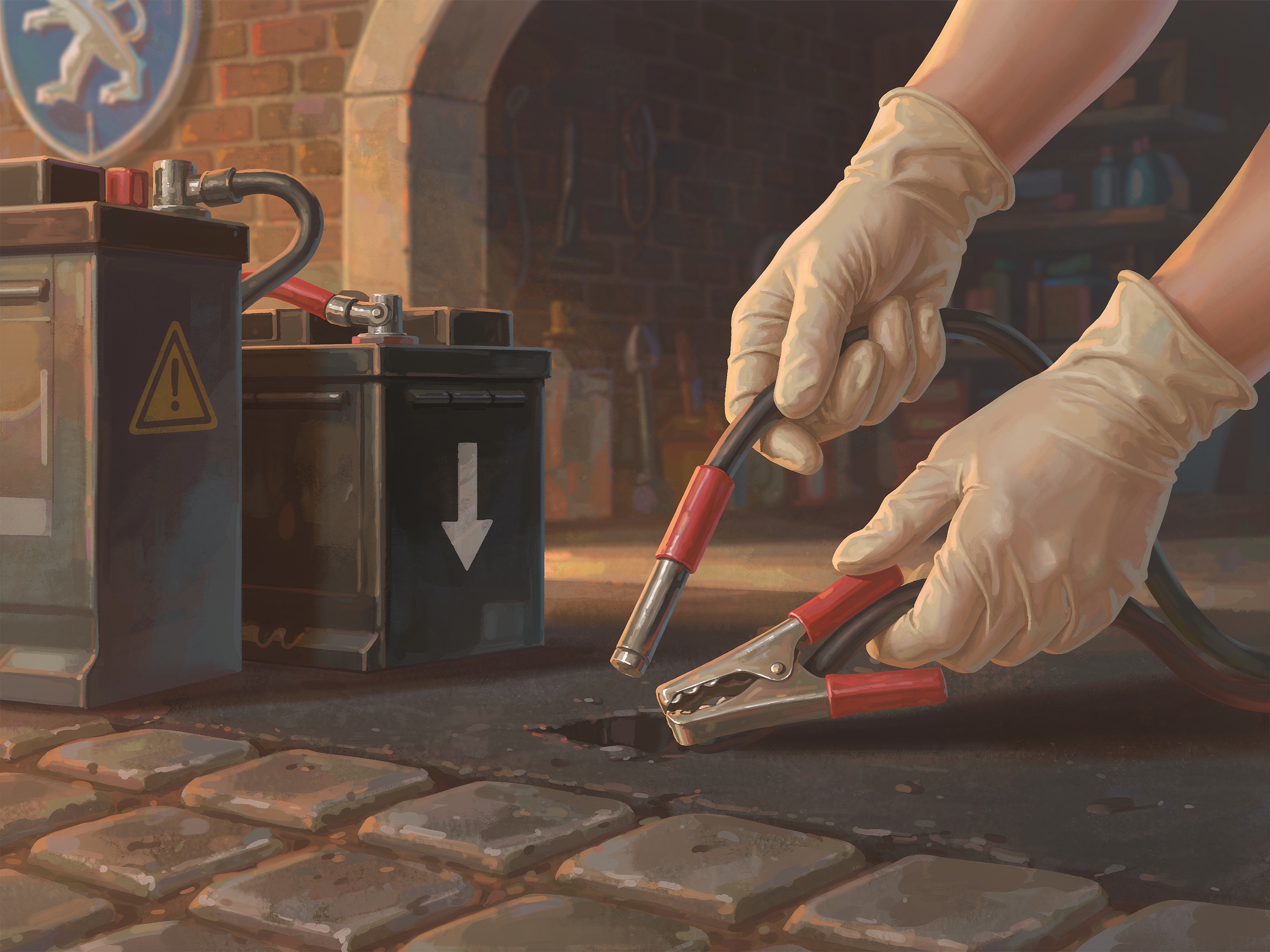
Attach one end of the red (positive) jumper cable to the positive terminal of the dead battery. Make sure the clamp is securely attached to clean metal.
-
7
Attach Red Cable to Working Battery
Attach the other end of the red cable to the positive terminal of the working battery. Again, ensure a solid connection to clean metal.
-
8
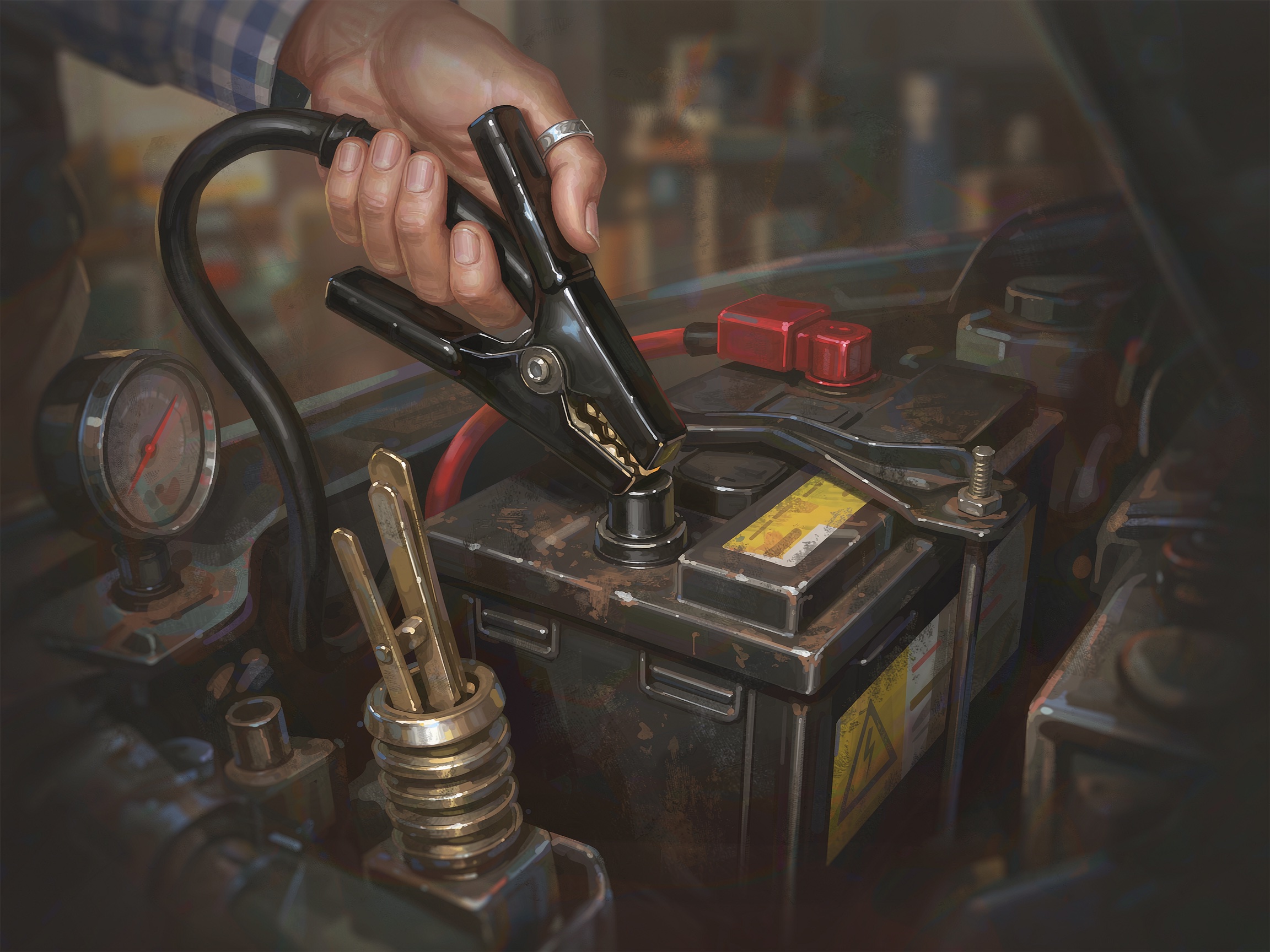
Attach Black Cable to Working Battery
Attach one end of the black (negative) cable to the negative terminal of the working battery. Secure the clamp firmly.
-
9
Attach Black Cable to Ground
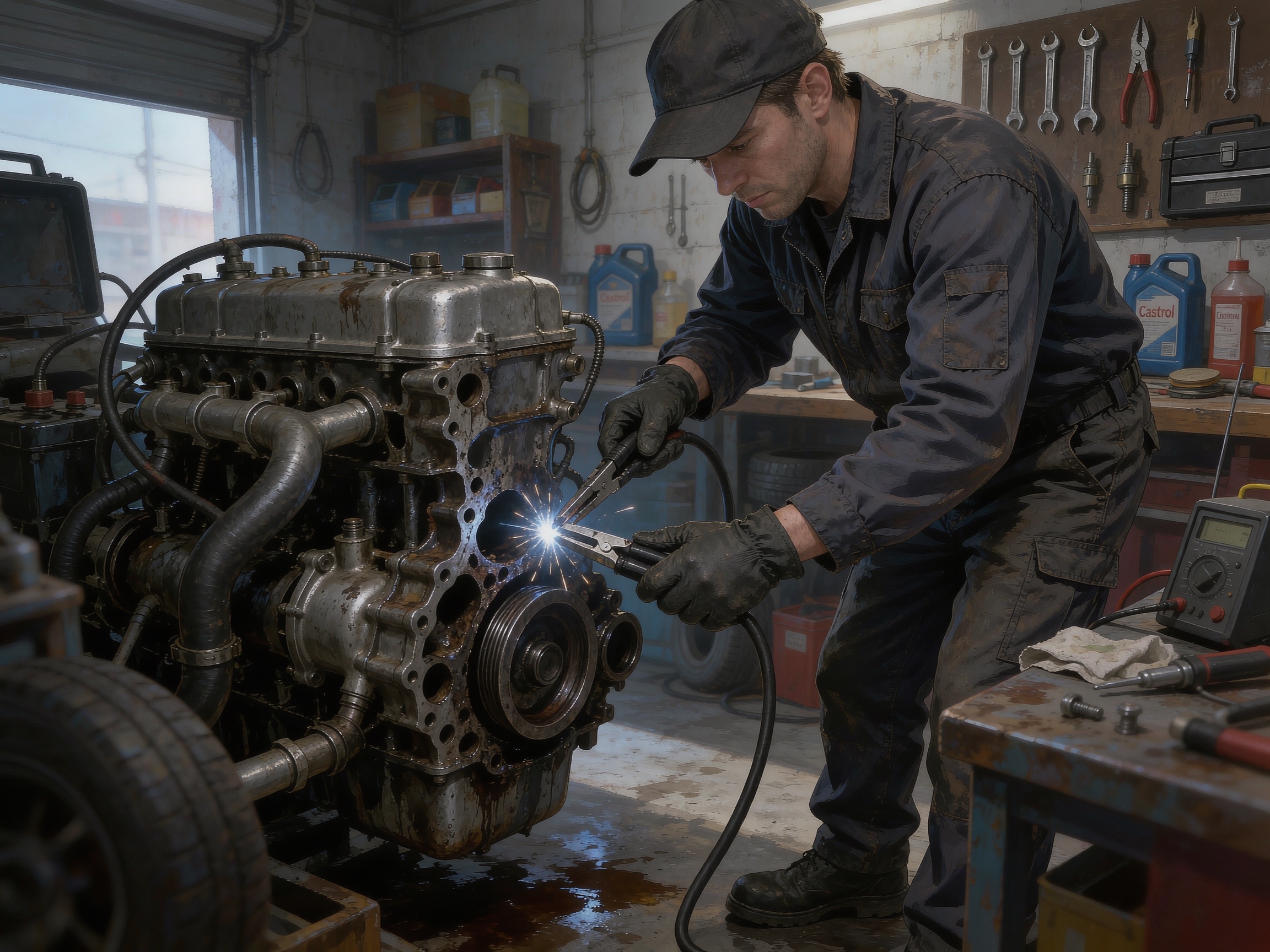
Attach the other end of the black cable to an unpainted metal surface on the dead vehicle's engine block or chassis — NOT to the negative terminal of the dead battery. This minimizes spark risk near the battery.
-
10
Verify Cable Connections
Double-check that all four cable connections are secure and that cables are not touching each other except at the correct terminals.
-
11
Start the Working Vehicle
Start the working vehicle and let it run for a few minutes to build up charge in the battery. Rev the engine slightly to increase alternator output.
-
12
Attempt to Start the Dead Vehicle
Try starting the dead vehicle. If it doesn't start immediately, wait another minute with the working vehicle running and try again.
-
13
Remove Cables in Reverse Order
Once the dead vehicle starts, remove the jumper cables in the exact reverse order of attachment: black cable from ground, black from working battery, red from working battery, red from dead battery.
-
14
Keep the Vehicle Running
Keep the newly started vehicle running for at least 20-30 minutes to allow the alternator to recharge the battery. Do not turn it off immediately.
-
15
Check the Battery
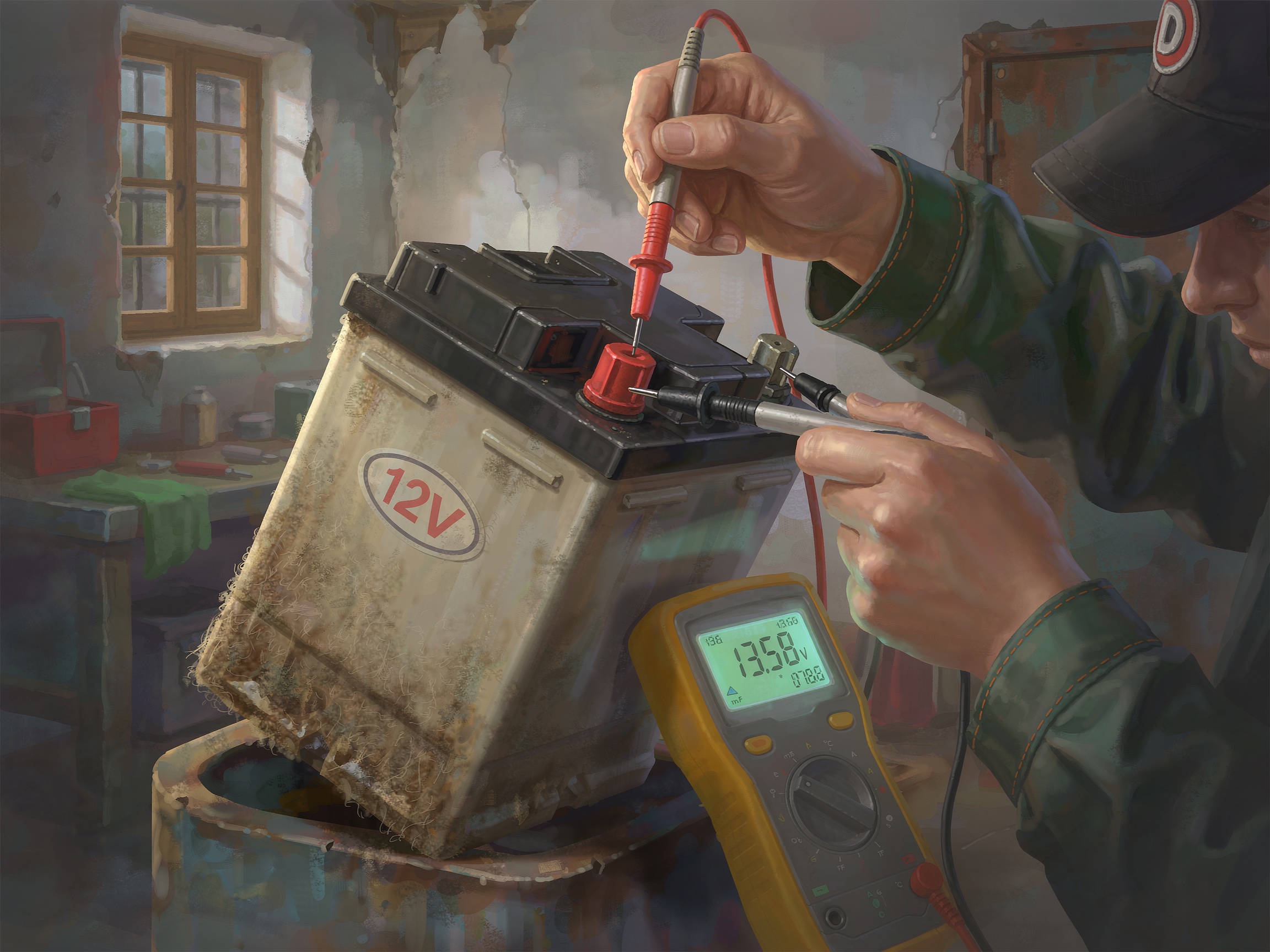
If the car starts but dies again shortly after, the battery may be failing and needs replacement. Test the battery and alternator at an auto parts store.
-
16
Drive to a Repair Shop
If the battery is weak, drive directly to a repair shop or auto parts store for testing and replacement. Do not rely on a jump-start as a long-term solution.
-
17
Clean the Terminals
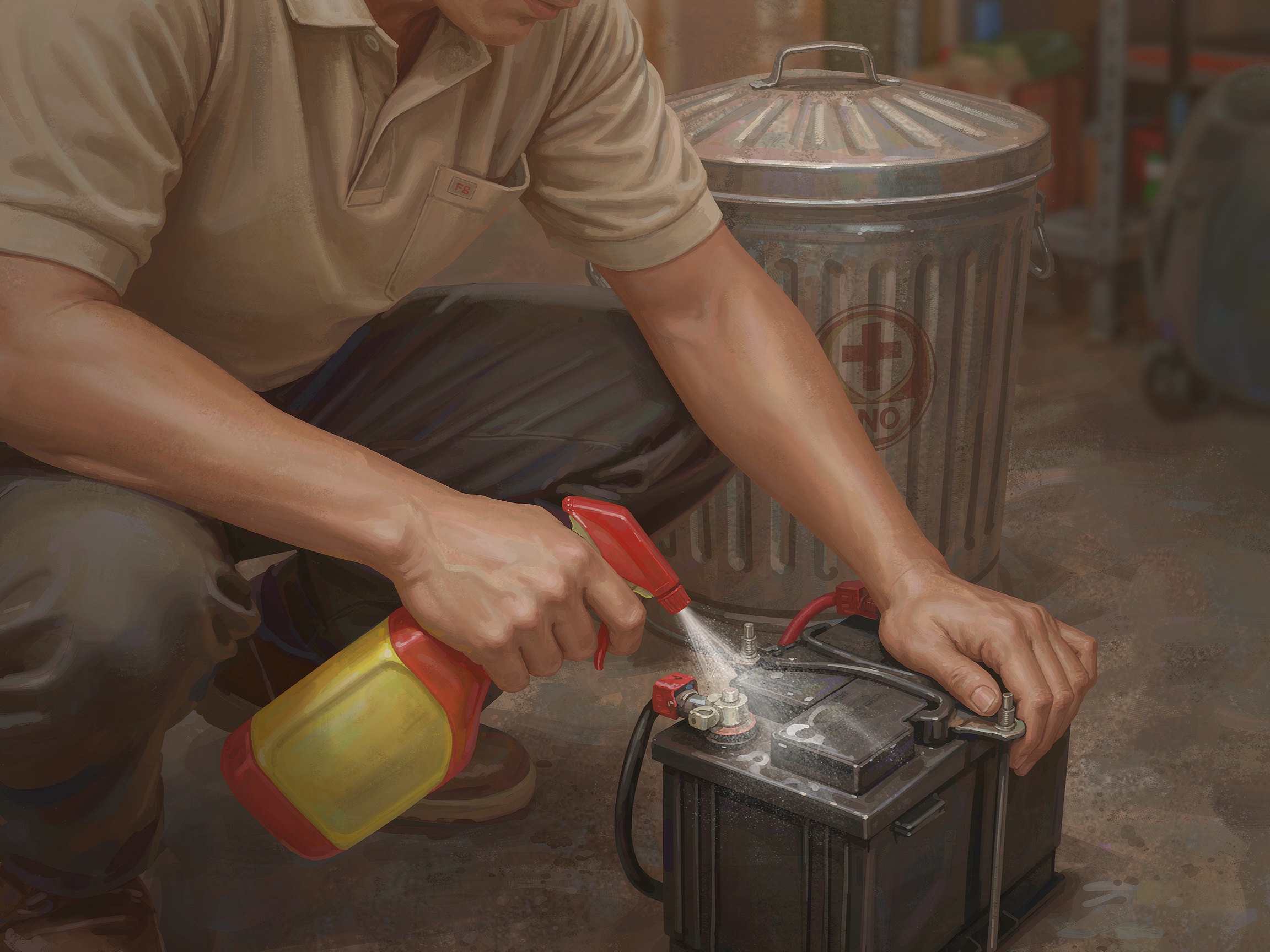
After a successful jump-start, clean any remaining corrosion from the battery terminals using a wire brush and a mixture of baking soda and water.
-
18
Apply Terminal Protectant
Apply a terminal protectant spray or grease to the cleaned battery terminals to prevent future corrosion buildup.
-
19
Inspect the Battery
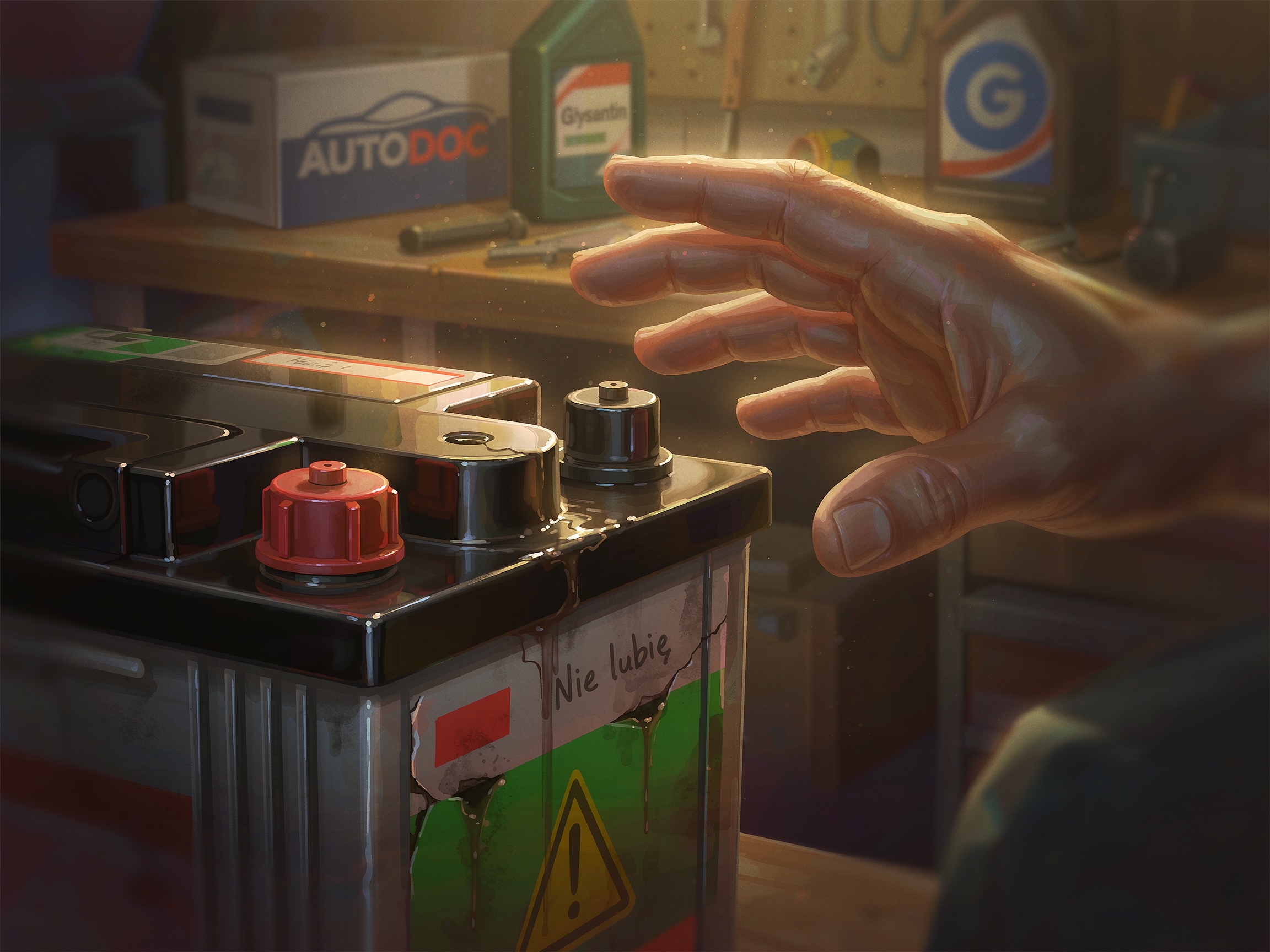
Check the battery for cracks, bulging, or leaking. A damaged battery should be replaced immediately — it poses a safety hazard.
-
20
Check the Alternator
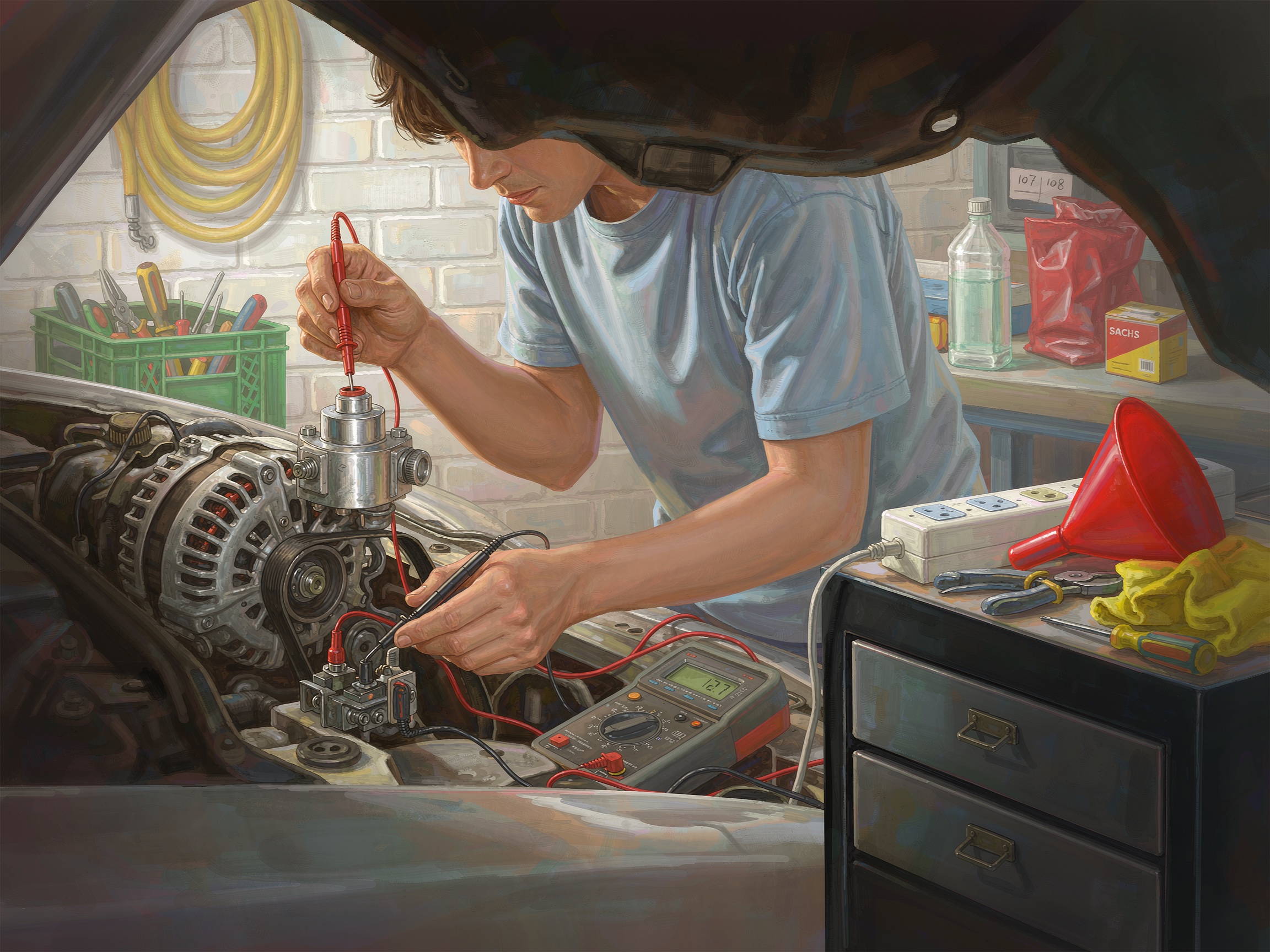
If the battery keeps dying, the alternator may not be charging properly. Have it tested at a repair shop to diagnose the issue.
-
21
Replace Old Batteries
Car batteries typically last 3-5 years. If your battery is older than 4 years, consider replacing it proactively to avoid being stranded.
-
22
Carry Emergency Supplies
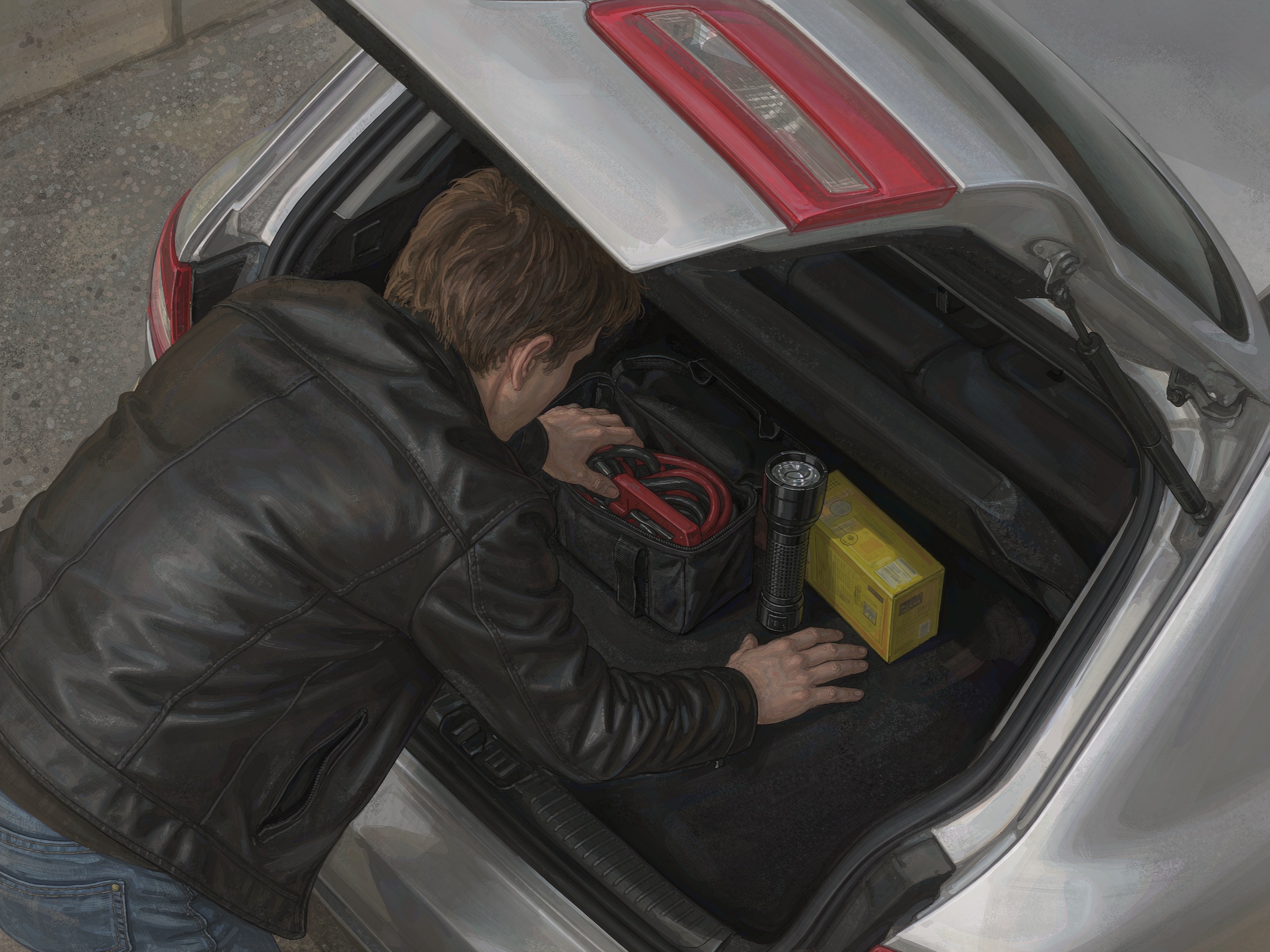
Keep jumper cables, a flashlight, and safety gloves in your trunk at all times. Consider carrying a portable jump starter as a backup.
-
23
Learn Battery Maintenance
Check your battery terminals monthly for corrosion and tightness. Add distilled water to flooded batteries if the level is low.
-
24
Know When to Call a Professional
If the battery is cracked, leaking, or you smell burning sulfur, do not attempt a jump-start. Call roadside assistance or a mechanic immediately.
-
25
Stay Safe
Never lean over a battery while attaching cables, never touch cables together, and never smoke near a battery — batteries can emit explosive hydrogen gas.








Tips
- Always connect positive first, then negative — remove in reverse order
- Never connect the negative cable directly to the dead battery's negative terminal
- Make sure cables don't touch each other except at the correct terminals
- Let the working vehicle run for several minutes before attempting the jump
Warnings
- Do not attempt a jump-start if the battery is cracked, leaking, or frozen
- Avoid leaning over the battery — it can emit explosive hydrogen gas
- Never touch the two clamps together — this can cause sparks and injury