How to Cook Perfect Pasta Every Time
Master the art of cooking pasta — from water ratios and salt levels to timing, sauce pairing, and avoiding common mistakes.
Things You'll Need
- Large pot
- Pasta
- Salt
- Tongs or spider
- Sauce ingredients
Steps
-
1
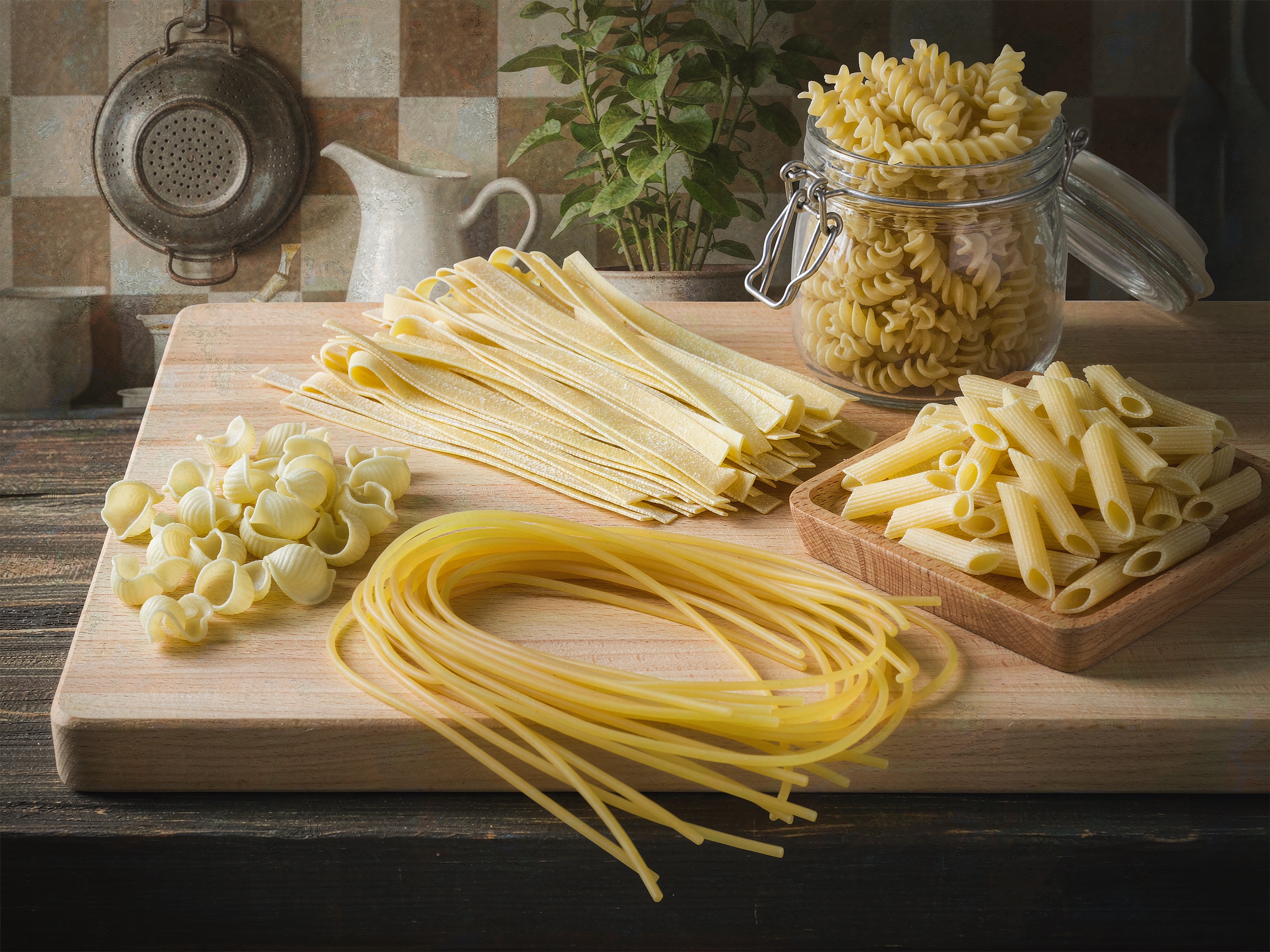
Choose the Right Pasta
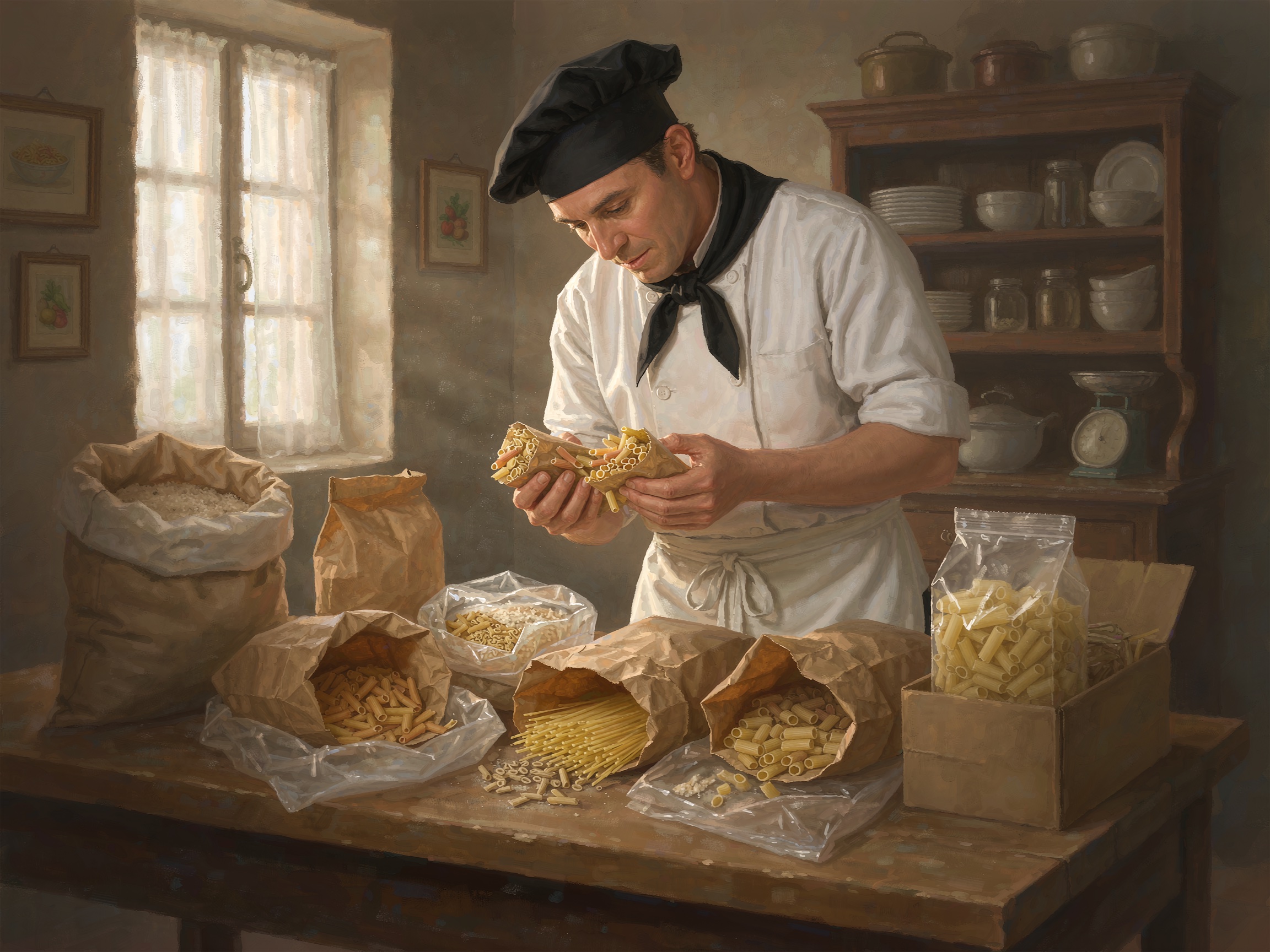
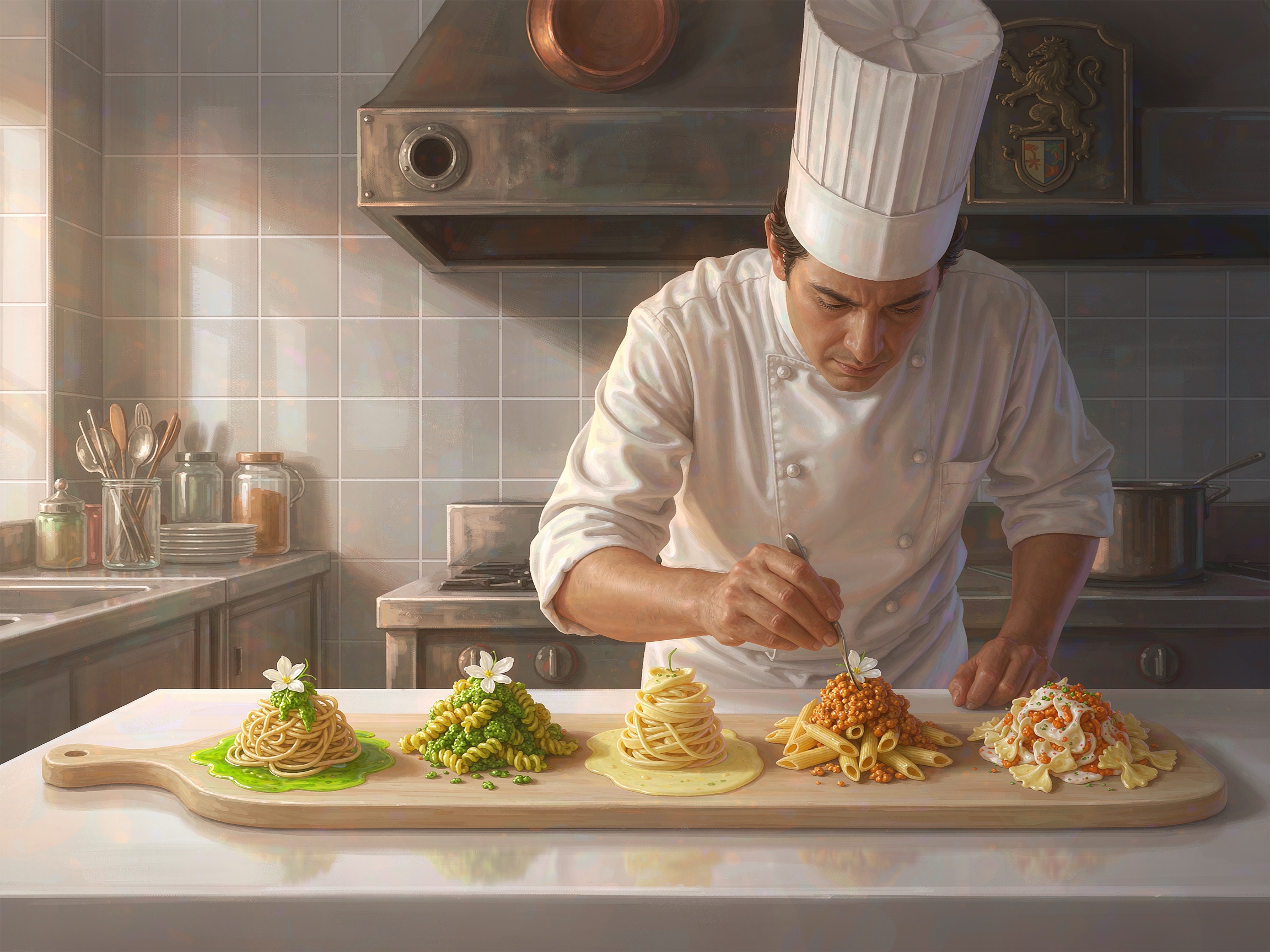
Match pasta shape to sauce — thin pastas like spaghetti for light sauces, wide ribbons for creamy sauces, and small shapes for chunky sauces.
-
2
Use Enough Water
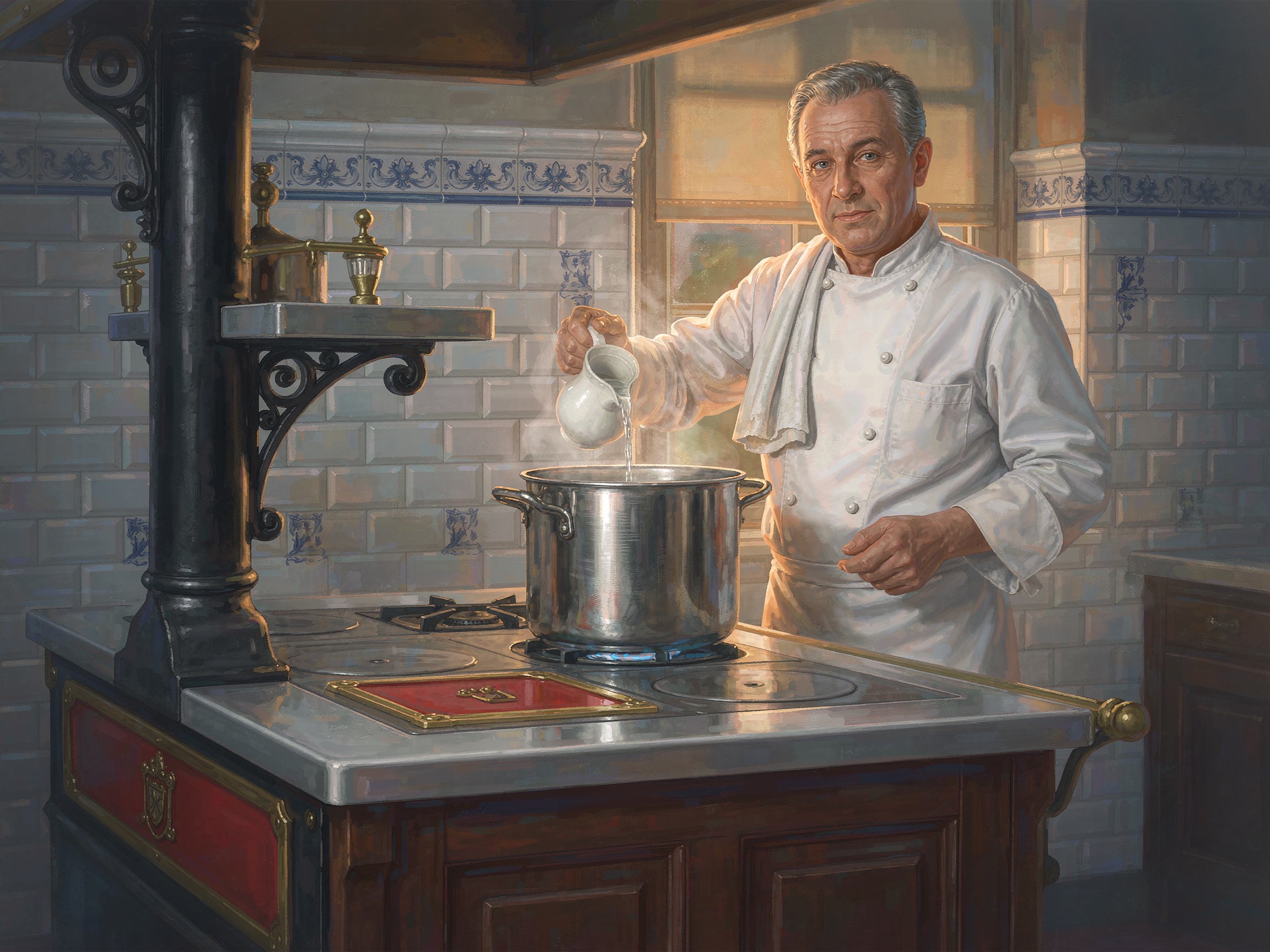
Fill a large pot with at least 4-6 quarts of water per pound of pasta. The pasta needs space to move freely for even cooking.
-
3
Salt the Water Generously
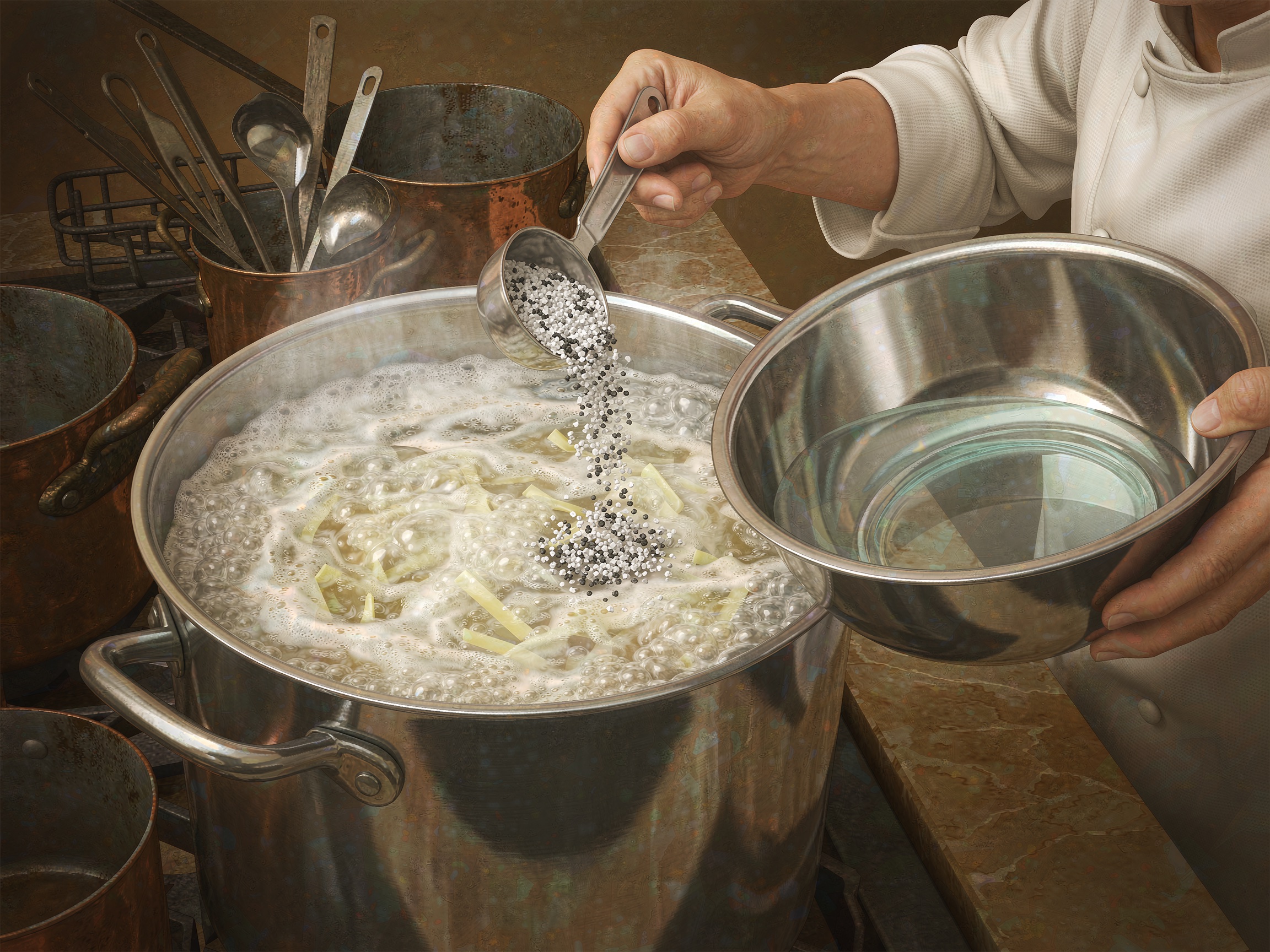
Add 1-2 tablespoons of salt to the boiling water — it should taste like the sea. Salting the water is your main chance to season the pasta itself.
-
4
Wait for a Rolling Boil
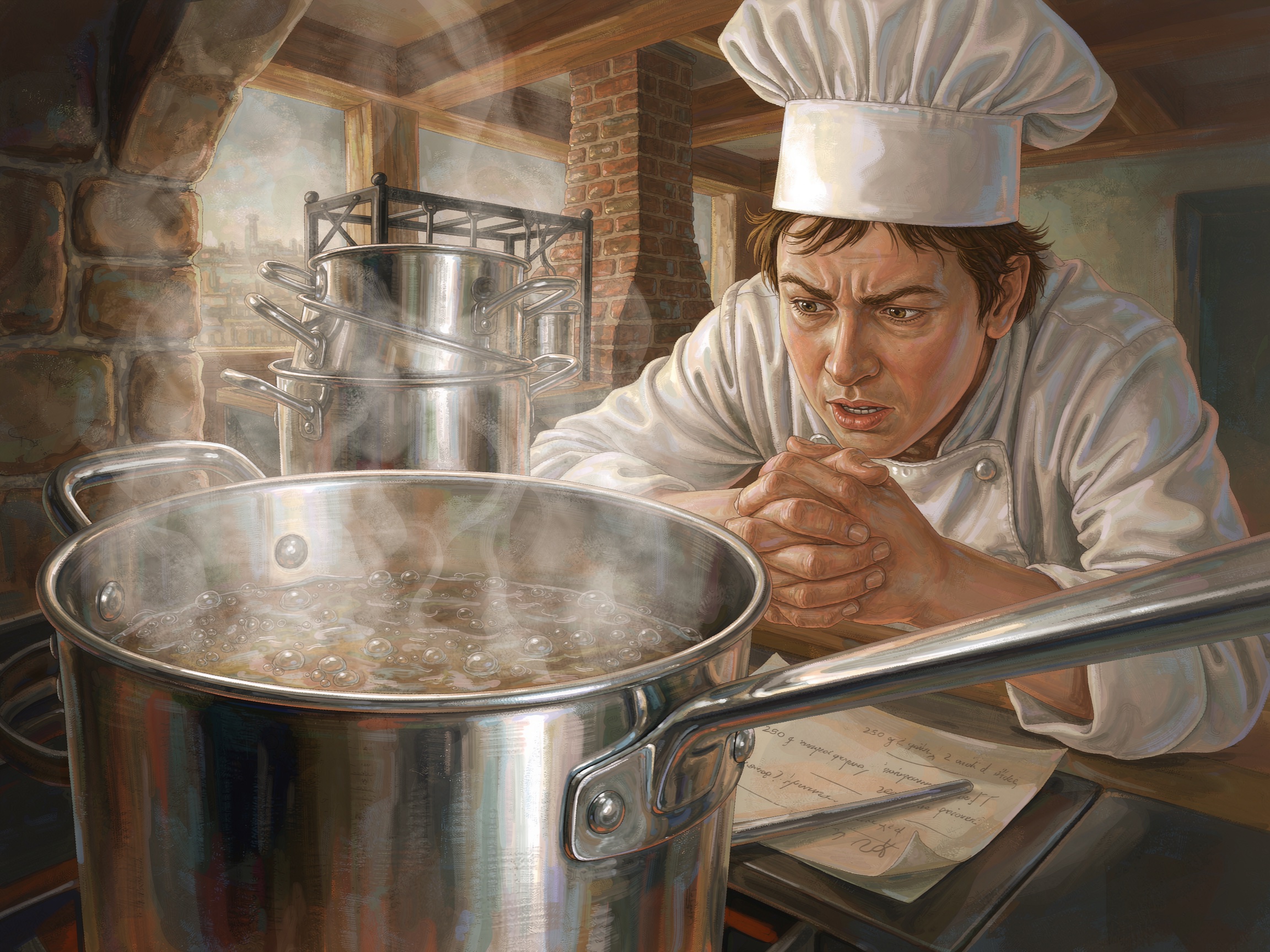
Bring the water to a vigorous, rolling boil before adding pasta. Dropping pasta into simmering water leads to uneven cooking and mushy texture.
-
5
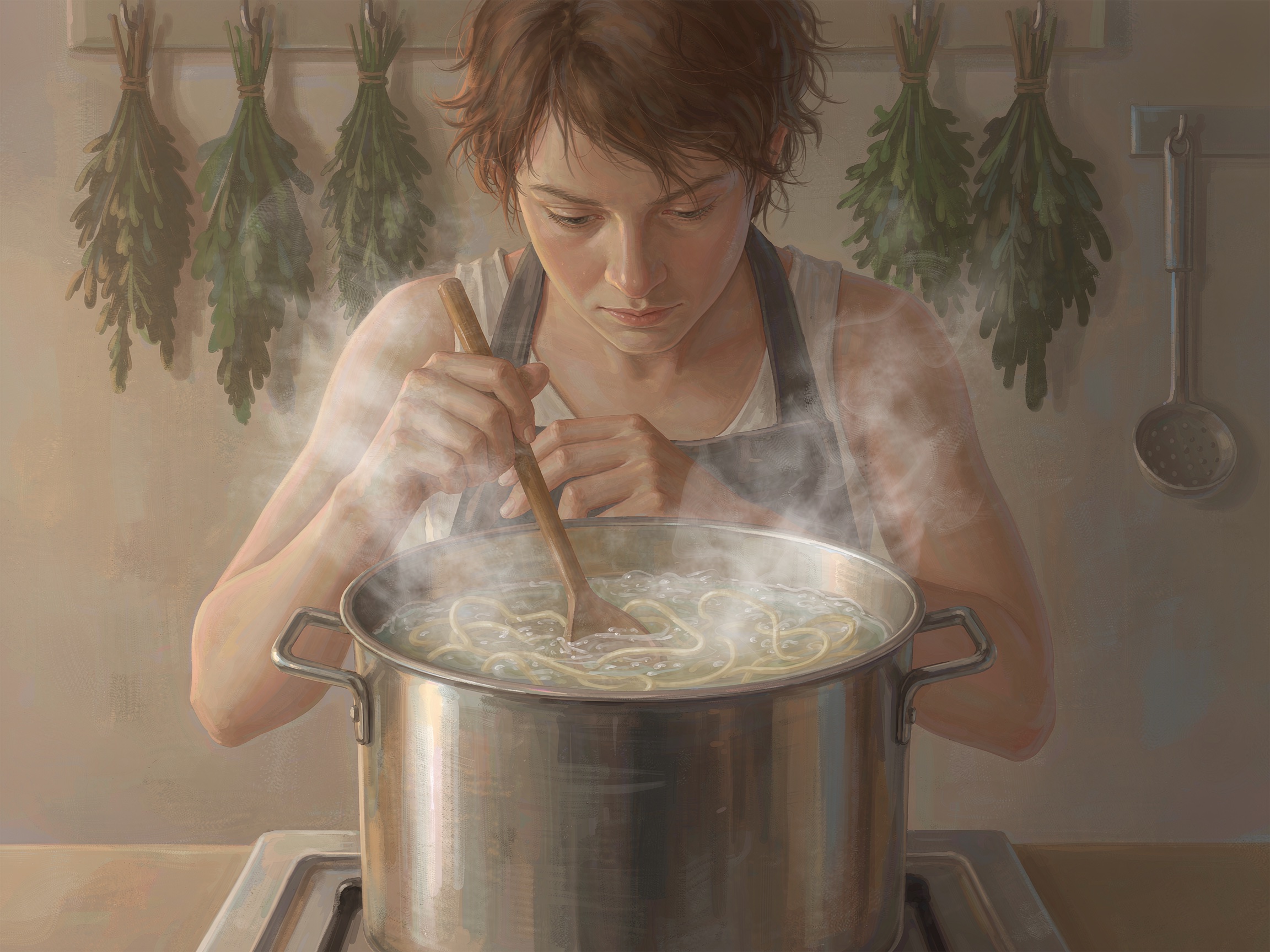
Stir Immediately
Stir the pasta as soon as you add it to prevent sticking. Stir occasionally during cooking, especially for long shapes like spaghetti.
-
6
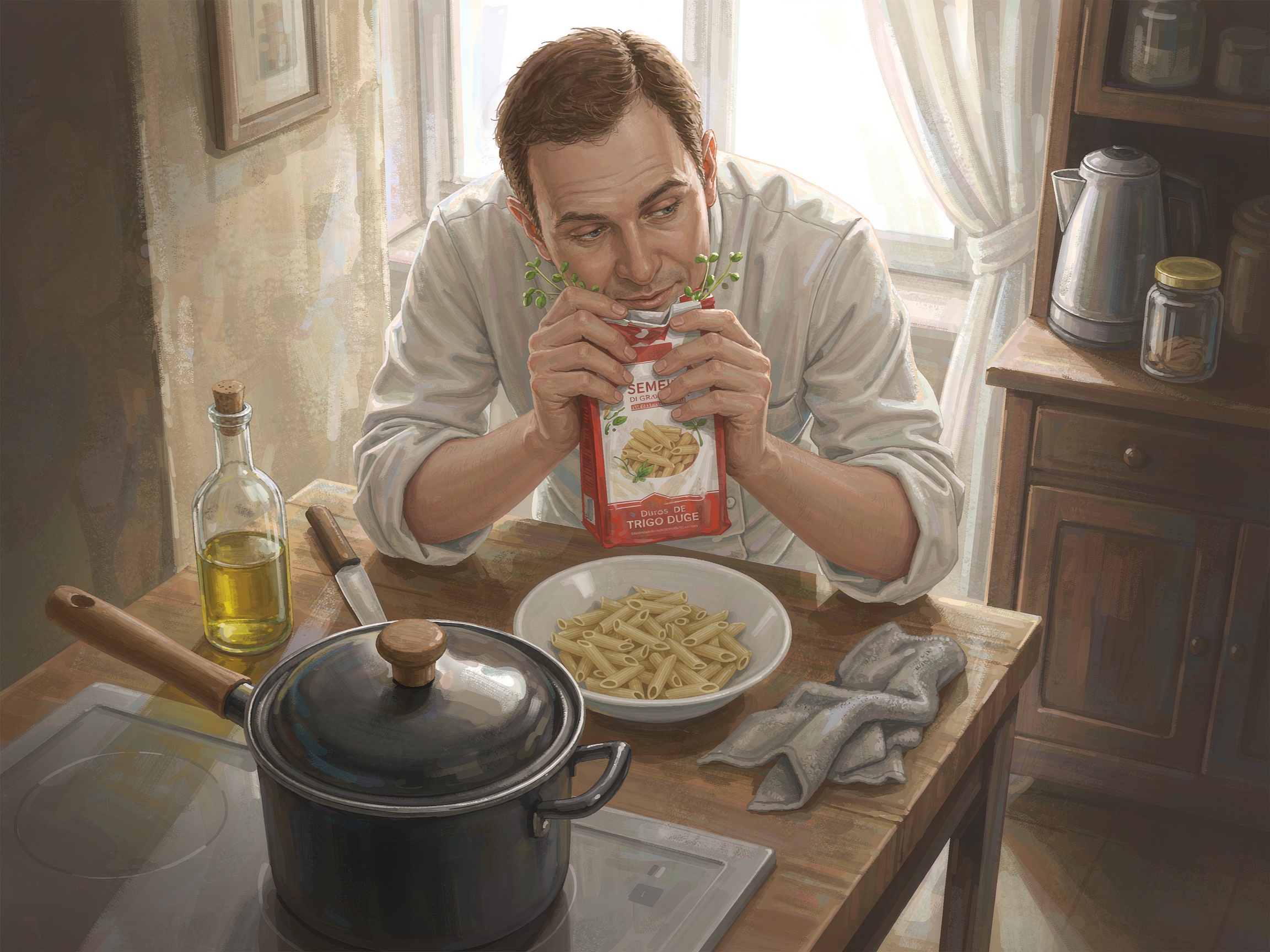
Follow the Package Time
Use the cooking time on the package as a guideline, but always taste the pasta 1-2 minutes before the recommended time. Al dente means firm, not crunchy.
-
7
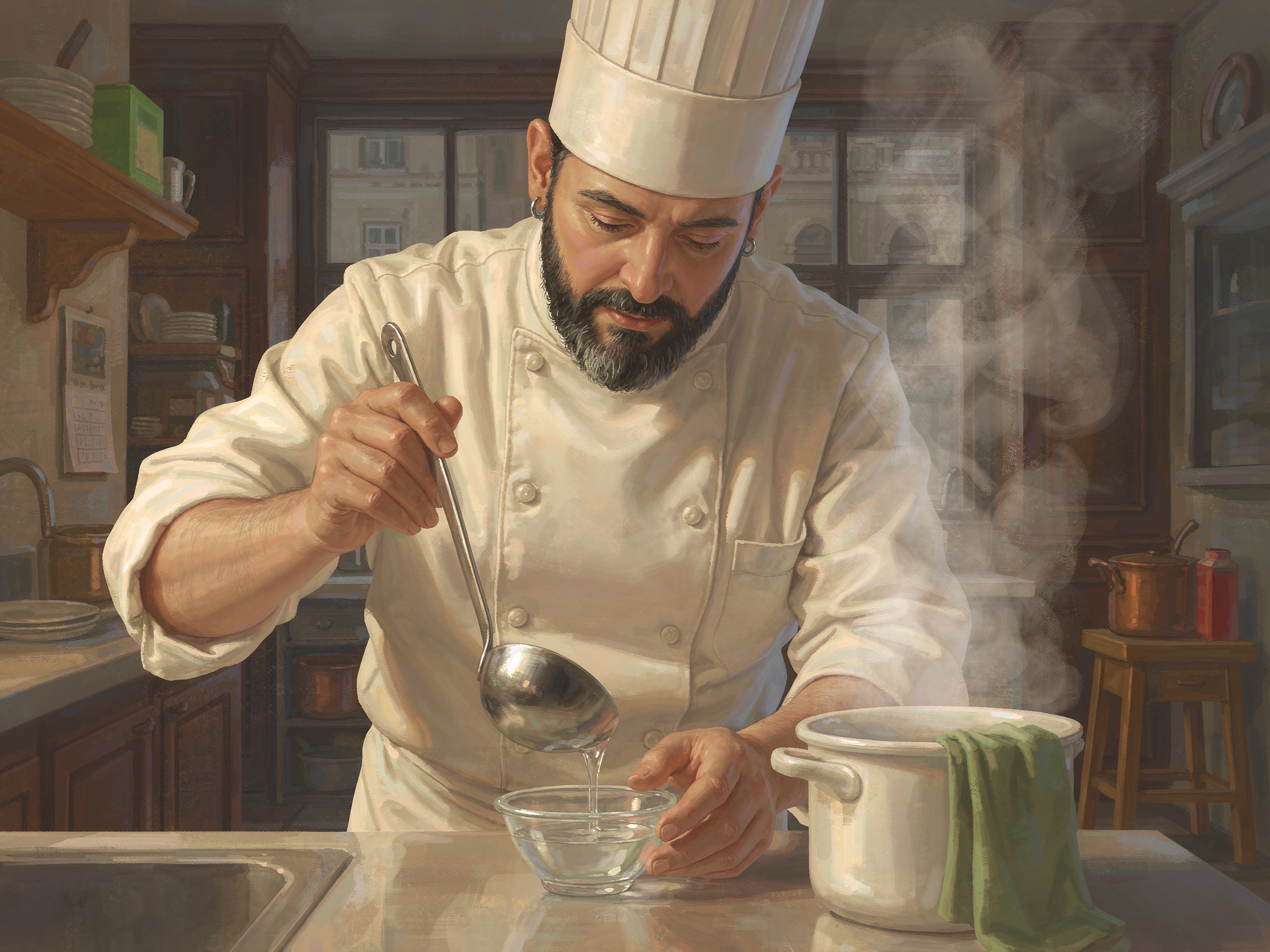
Reserve Pasta Water
Before draining, scoop out 1-2 cups of pasta water. This starchy water is liquid gold for sauces — it helps them cling and emulsify.
-
8
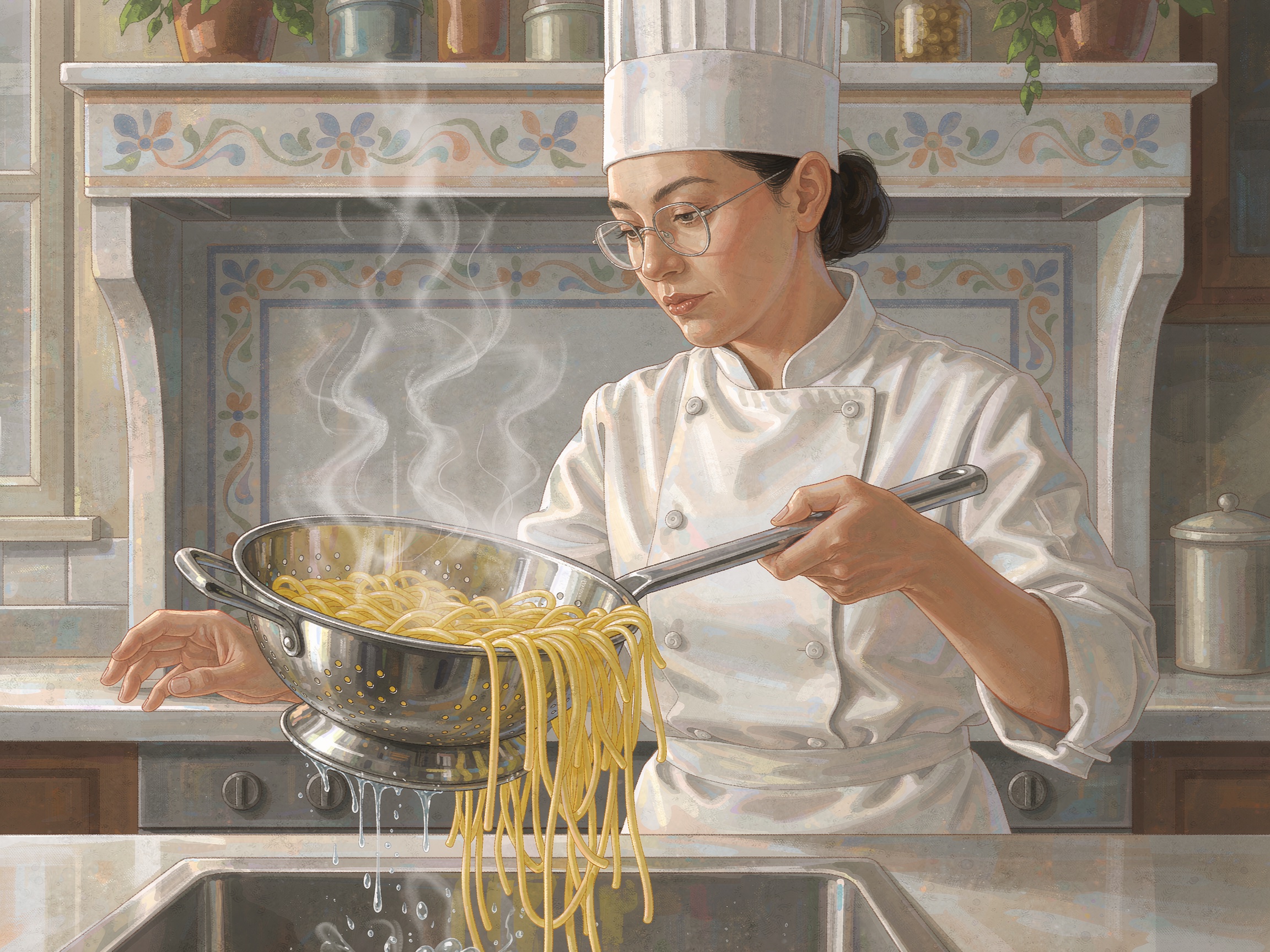
Drain Correctly
Drain pasta in a colander and shake off excess water. Do not rinse the pasta — rinsing washes away starch that helps sauce adhere.
-
9
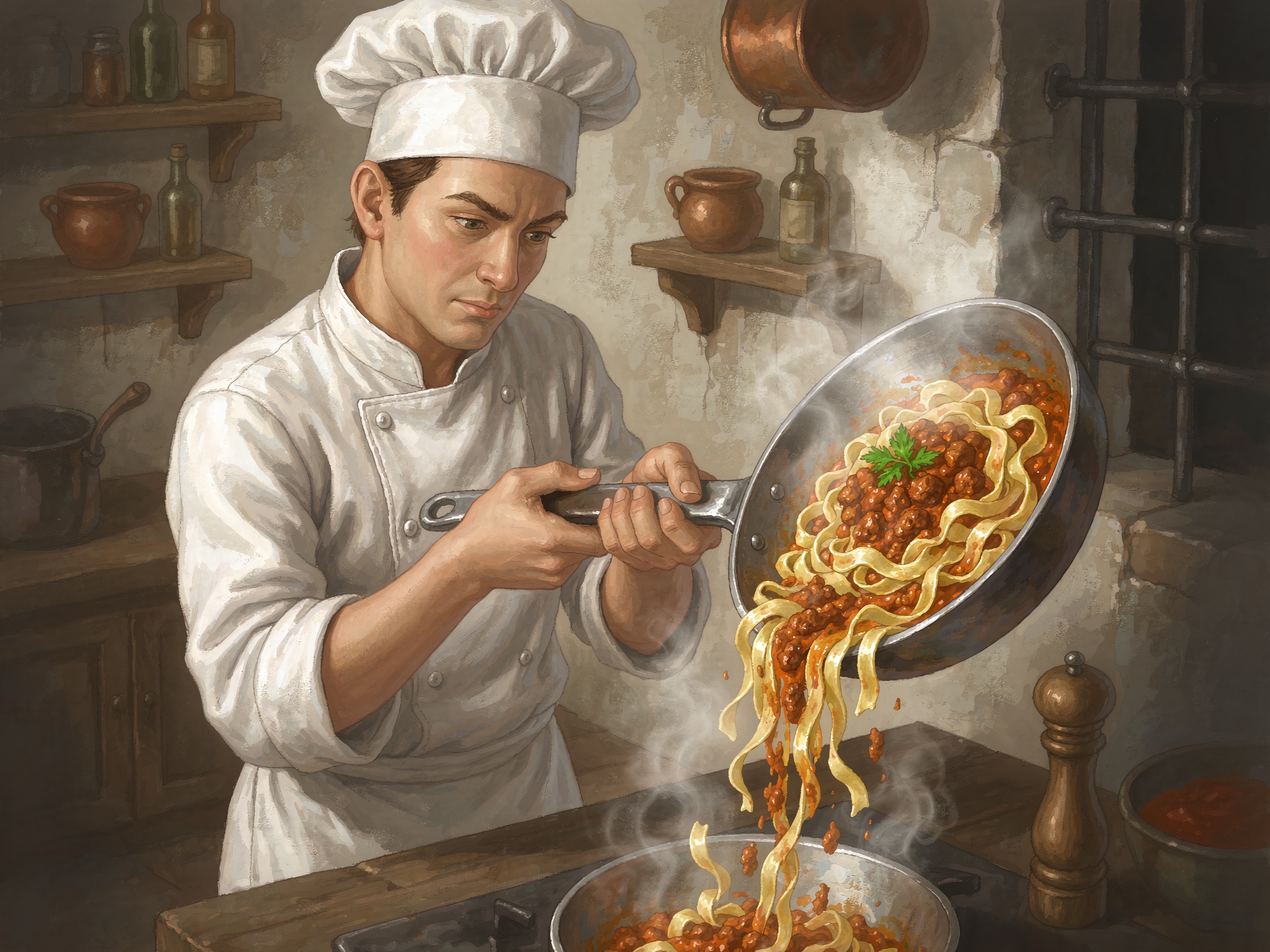
Toss with Sauce Immediately
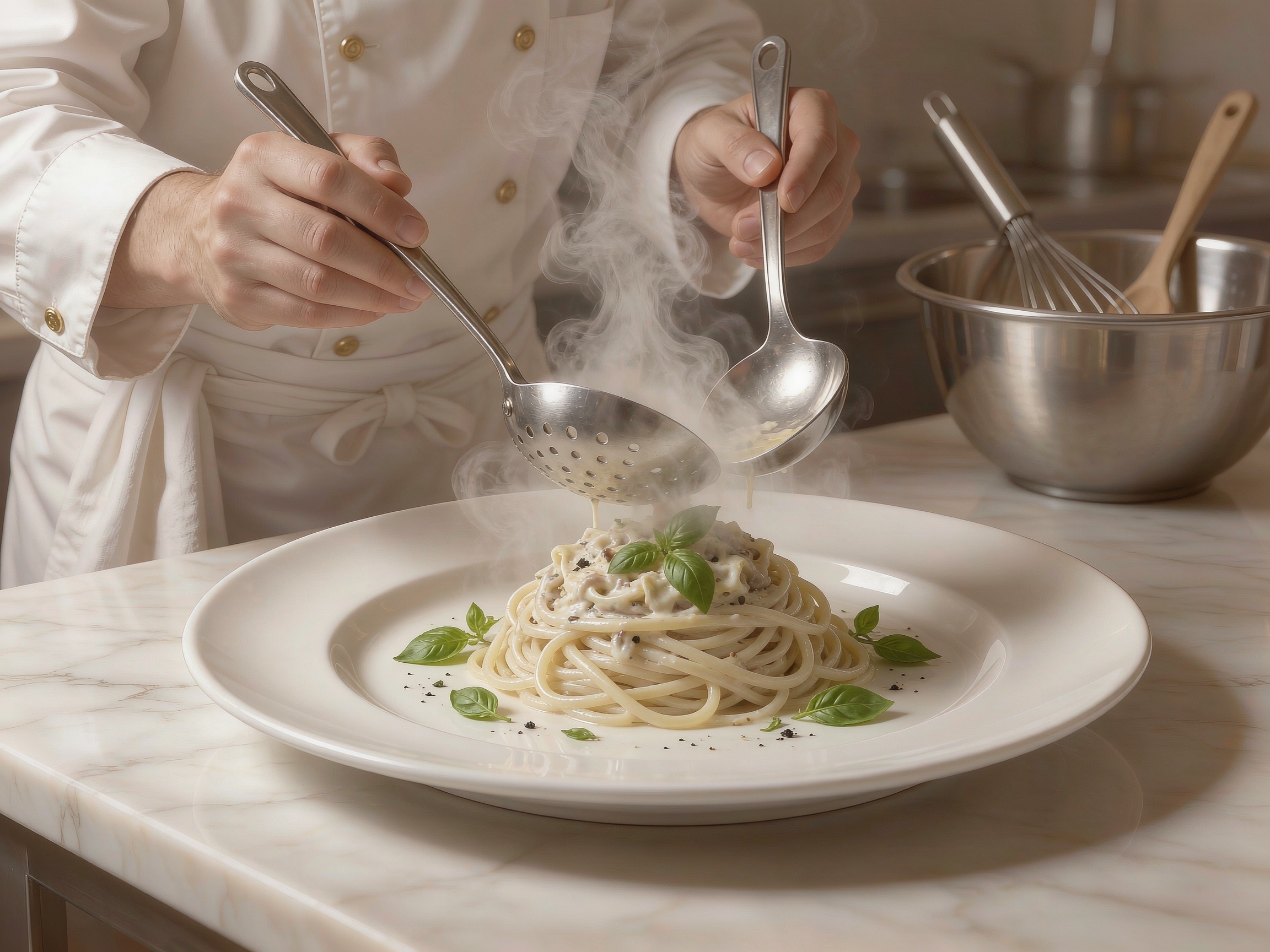
Add the drained pasta directly to your sauce pan. Toss for 1-2 minutes to coat evenly and let the pasta absorb the sauce flavors.
-
10
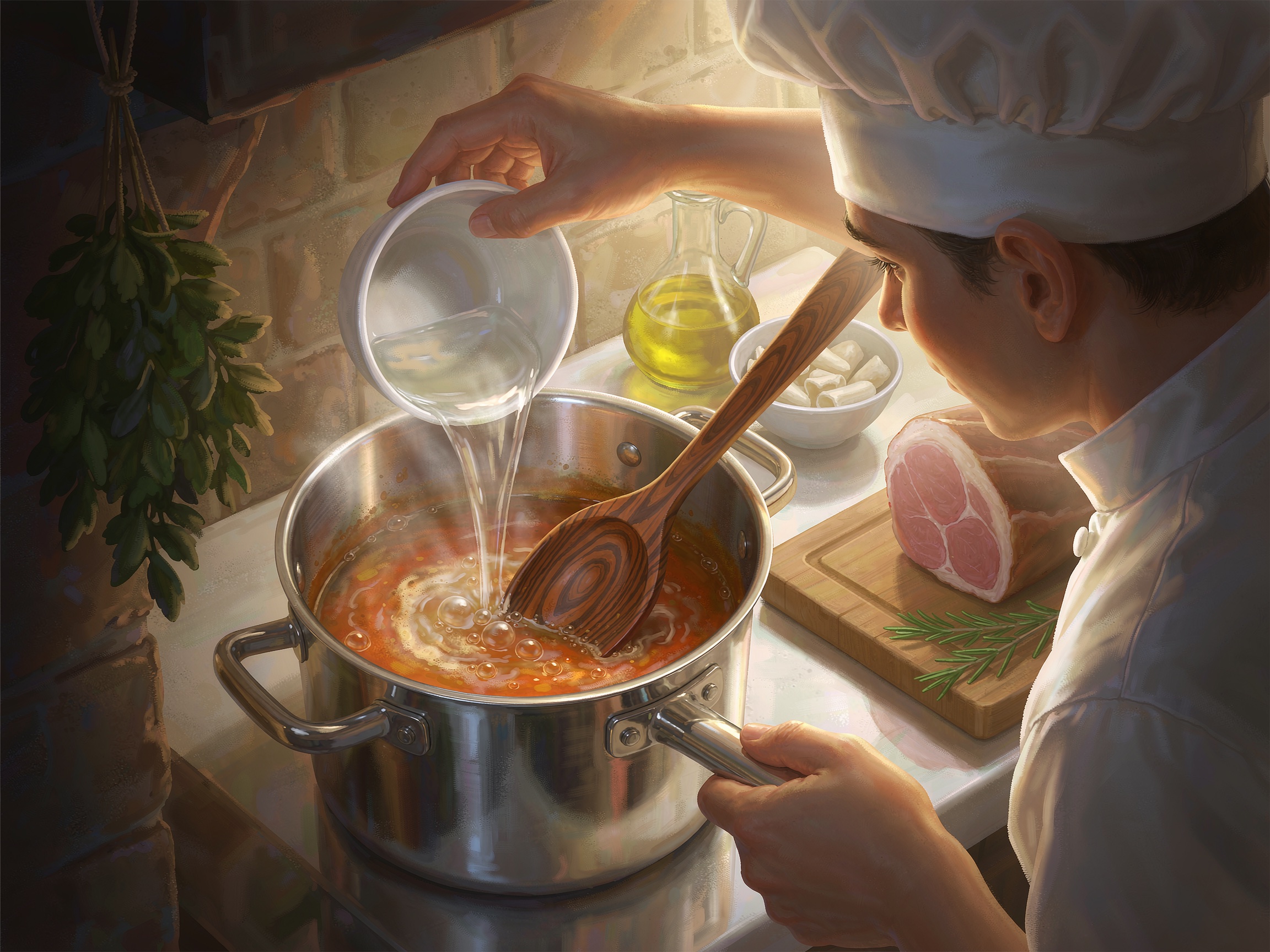
Use Pasta Water in Sauce
Add 2-4 tablespoons of reserved pasta water to your sauce. The starch helps create a silky, cohesive sauce that clings to the pasta.
-
11
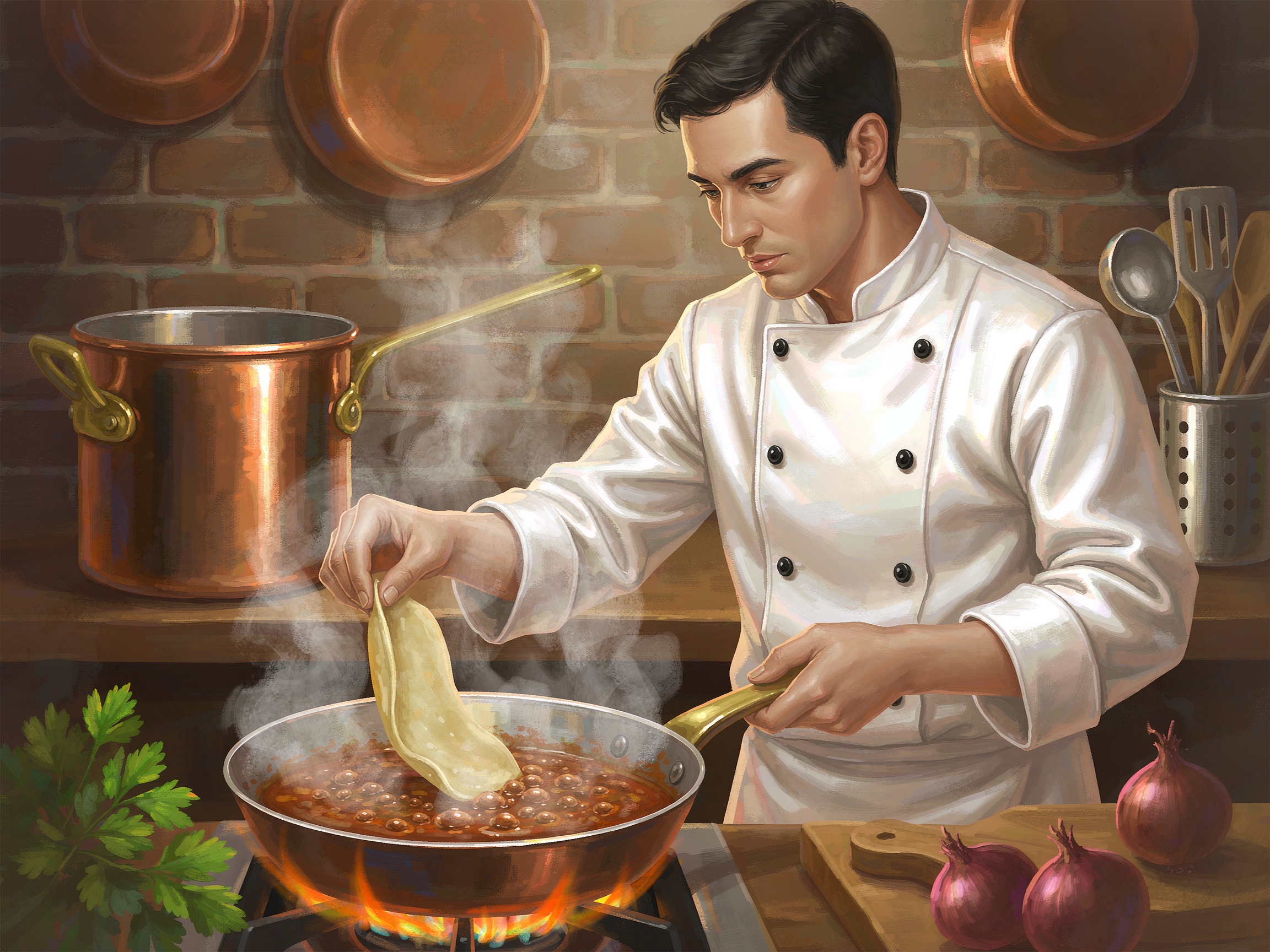
Finish in the Pan
Cook the pasta and sauce together for 1-2 minutes over medium heat. This allows the pasta to absorb flavors and the sauce to thicken.
-
12
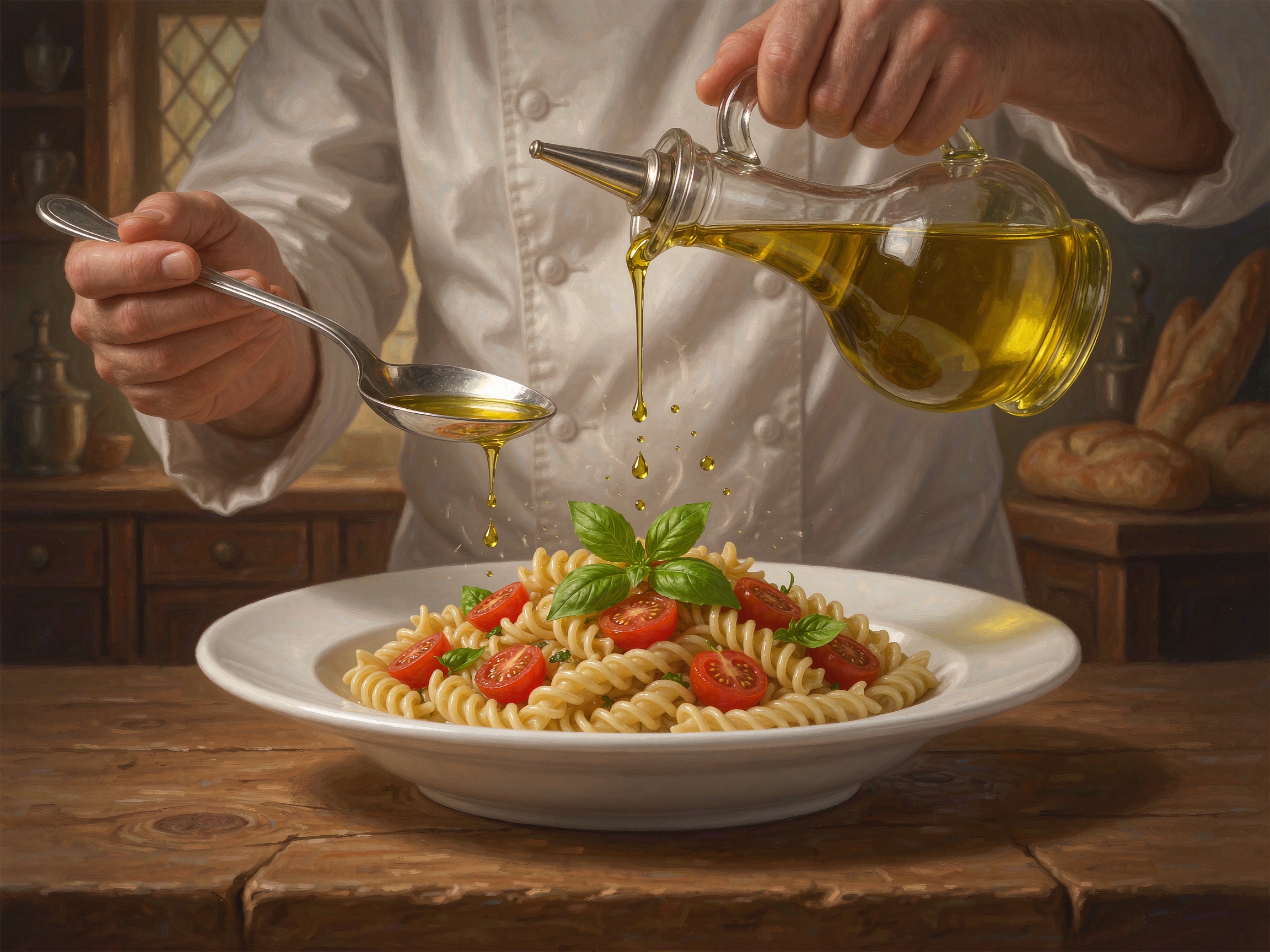
Add Fat for Richness
Finish with a drizzle of extra virgin olive oil or a knob of butter. Fat adds richness and helps the sauce coat the pasta more evenly.
-
13
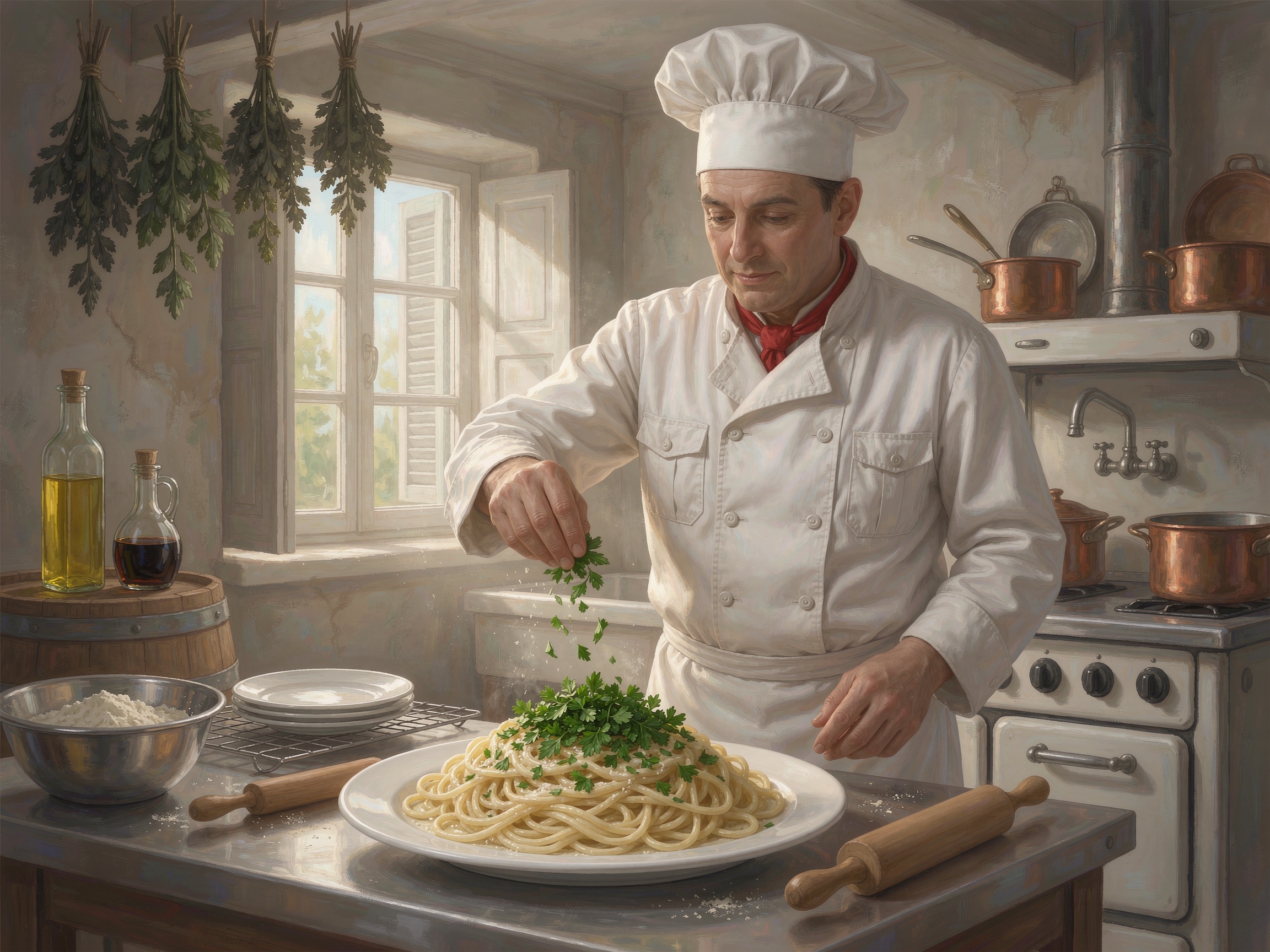
Add Fresh Herbs
Stir in fresh herbs like basil, parsley, or oregano at the end of cooking. Fresh herbs brighten the flavor and add a professional touch.
-
14
Use Fresh vs Dried Properly
Fresh pasta cooks in 2-4 minutes — much faster than dried. Adjust cooking time accordingly. Fresh pasta is best for light, delicate sauces.
-
15
Try Different Shapes
Experiment with different pasta shapes and pairings — penne with arrabbiata, fettuccine with alfredo, rigatoni with meat sauce.
-
16
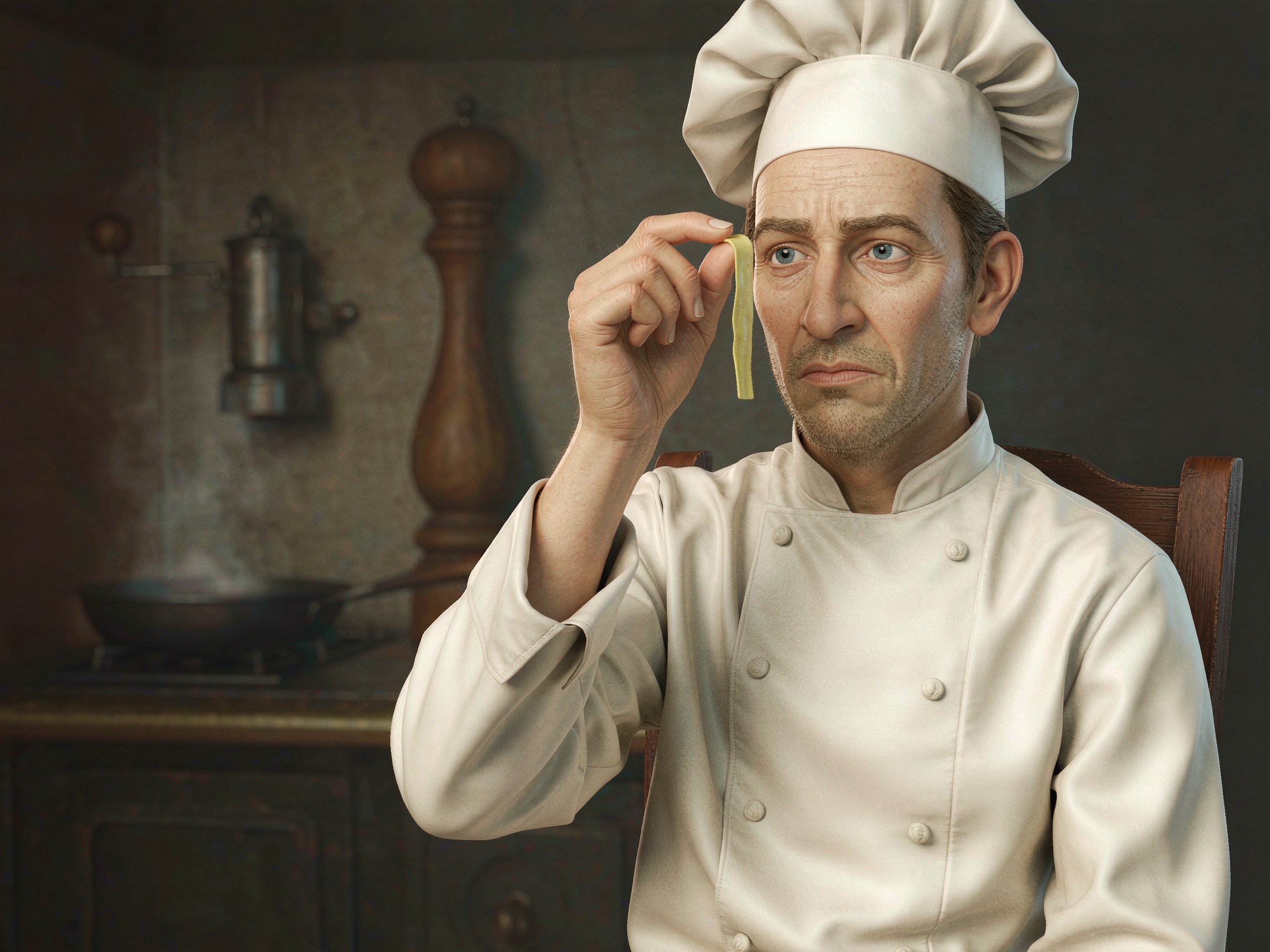
Don't Overcook
The most common pasta mistake is overcooking. Always taste before the package time — pasta continues to cook slightly in the sauce.
-
17
Make a Simple Garlic and Oil Sauce
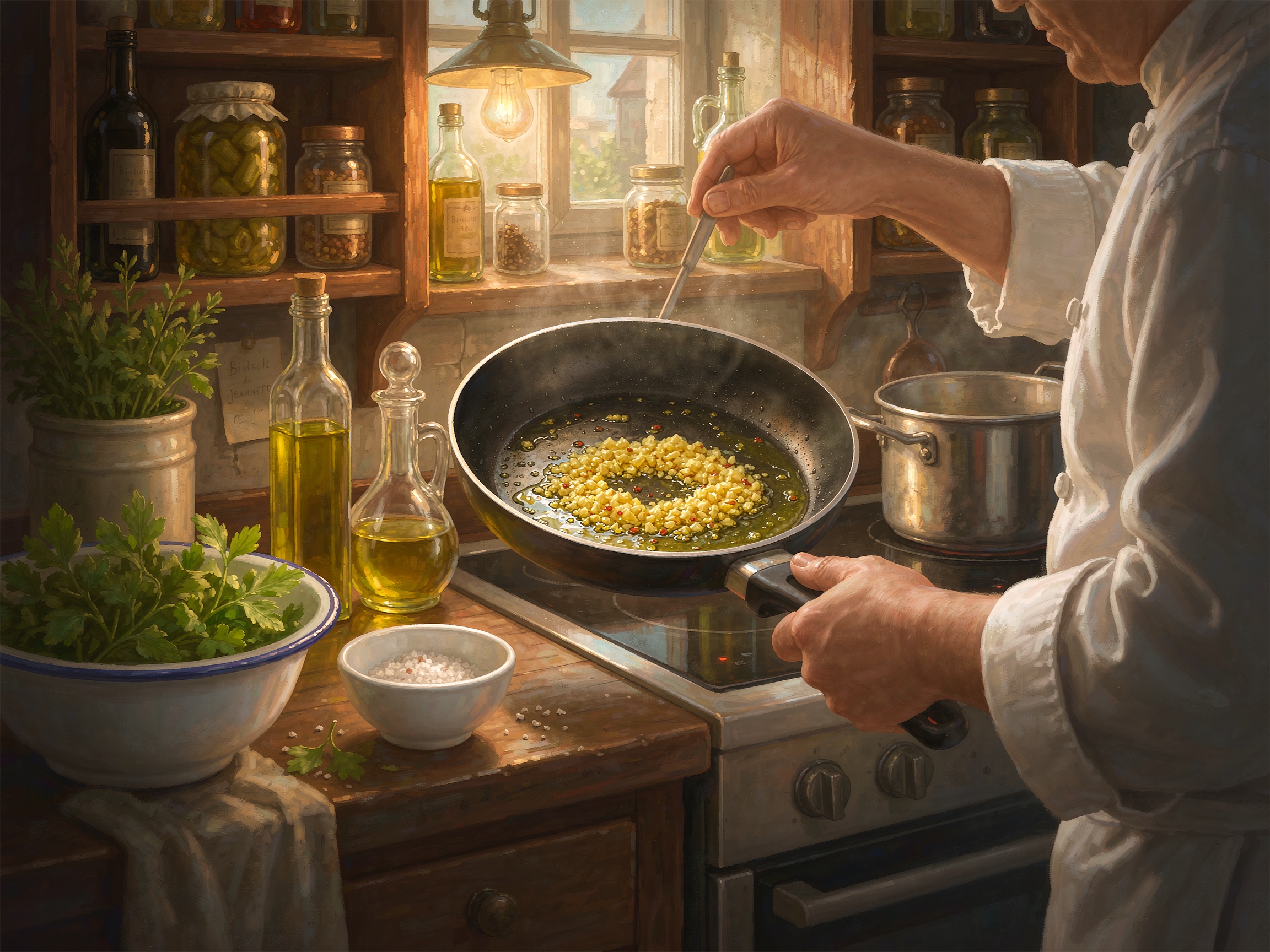
For a classic aglio e olio: sauté minced garlic in olive oil, add a splash of pasta water, toss with pasta, and finish with red pepper flakes and parsley.
-
18
Create a Creamy Sauce
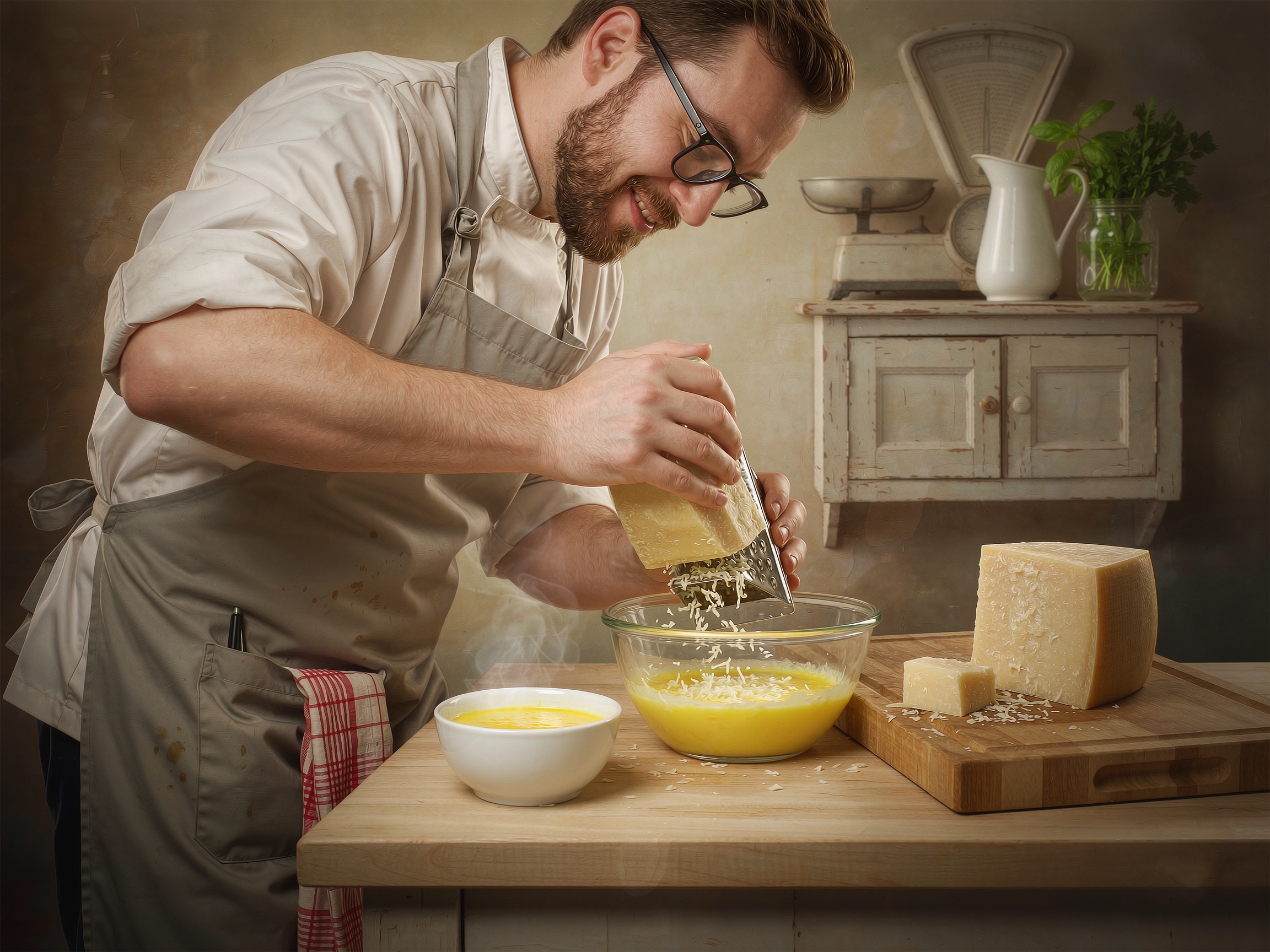
For a creamy sauce: melt butter, add a splash of pasta water, stir in grated parmesan. The starch from pasta water creates a smooth, creamy emulsion.
-
19
Pair Sauces with Shapes
Thin, long pastas pair with light oil-based sauces. Short, tubular pastas pair with chunky sauces. Flat, wide pastas pair with creamy sauces.
-
20
Add Protein for a Complete Meal
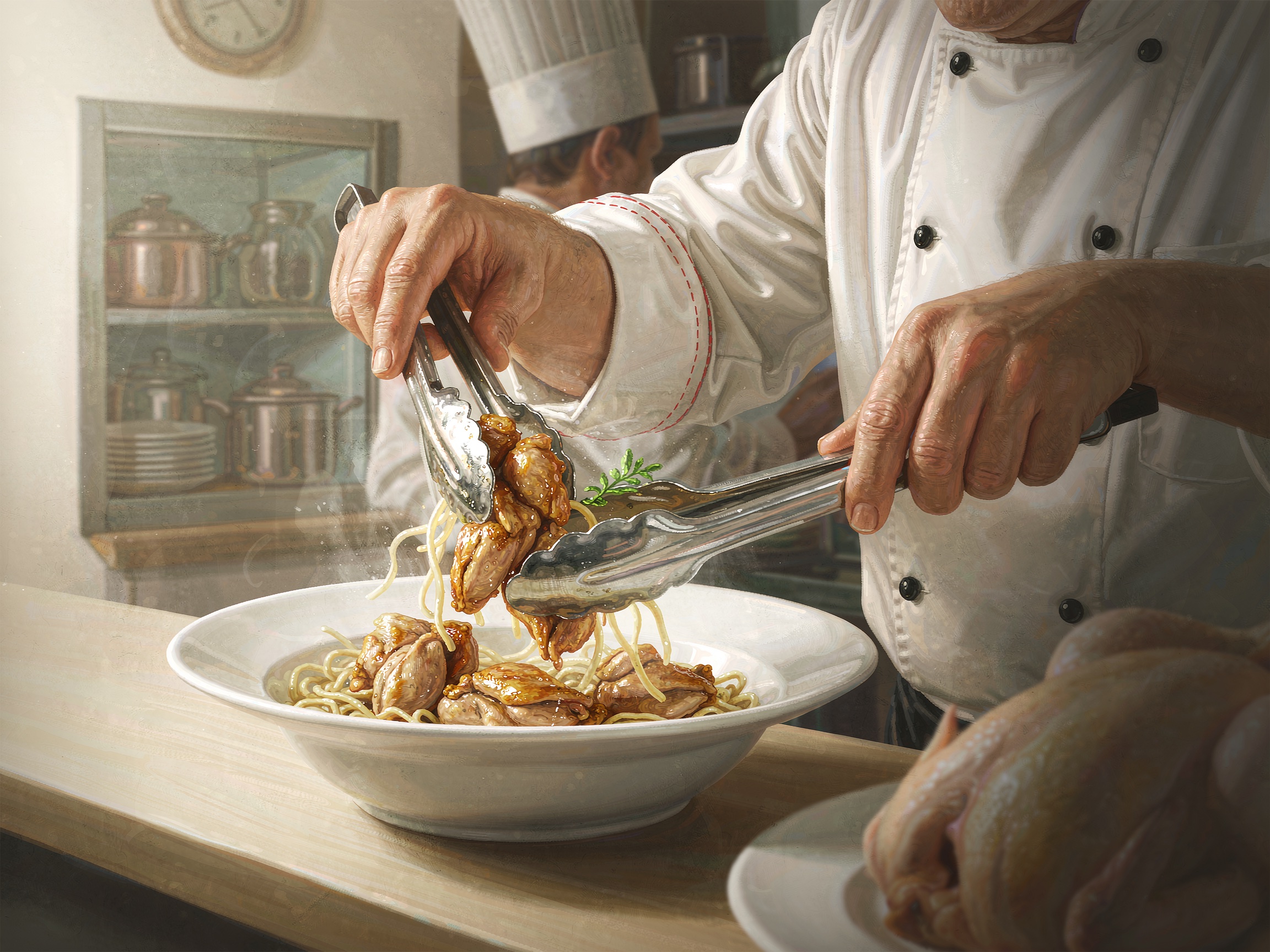
Incorporate protein through chicken, shrimp, beans, or meatballs. Balanced meals keep you satisfied and provide complete nutrition.
-
21
Serve Immediately
Pasta waits for no one. Serve immediately after cooking — pasta continues to absorb sauce and can become dry and clumpy if left to sit.
-
22
Store Leftovers Properly
Store cooked pasta separately from sauce. Toss leftover pasta with a little olive oil to prevent sticking. Reheat in boiling water for 30 seconds.
-
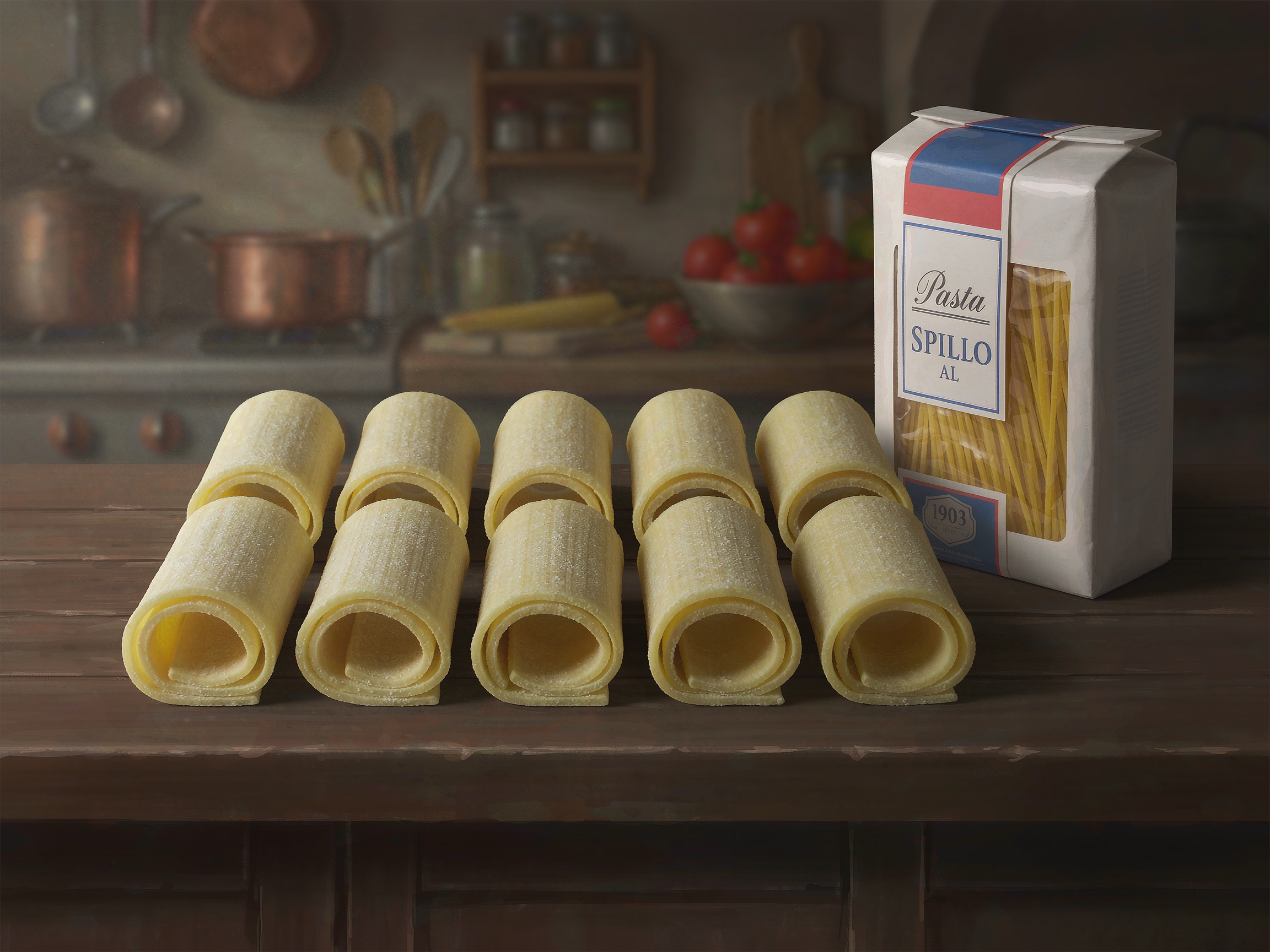
23
Make Pasta from Scratch
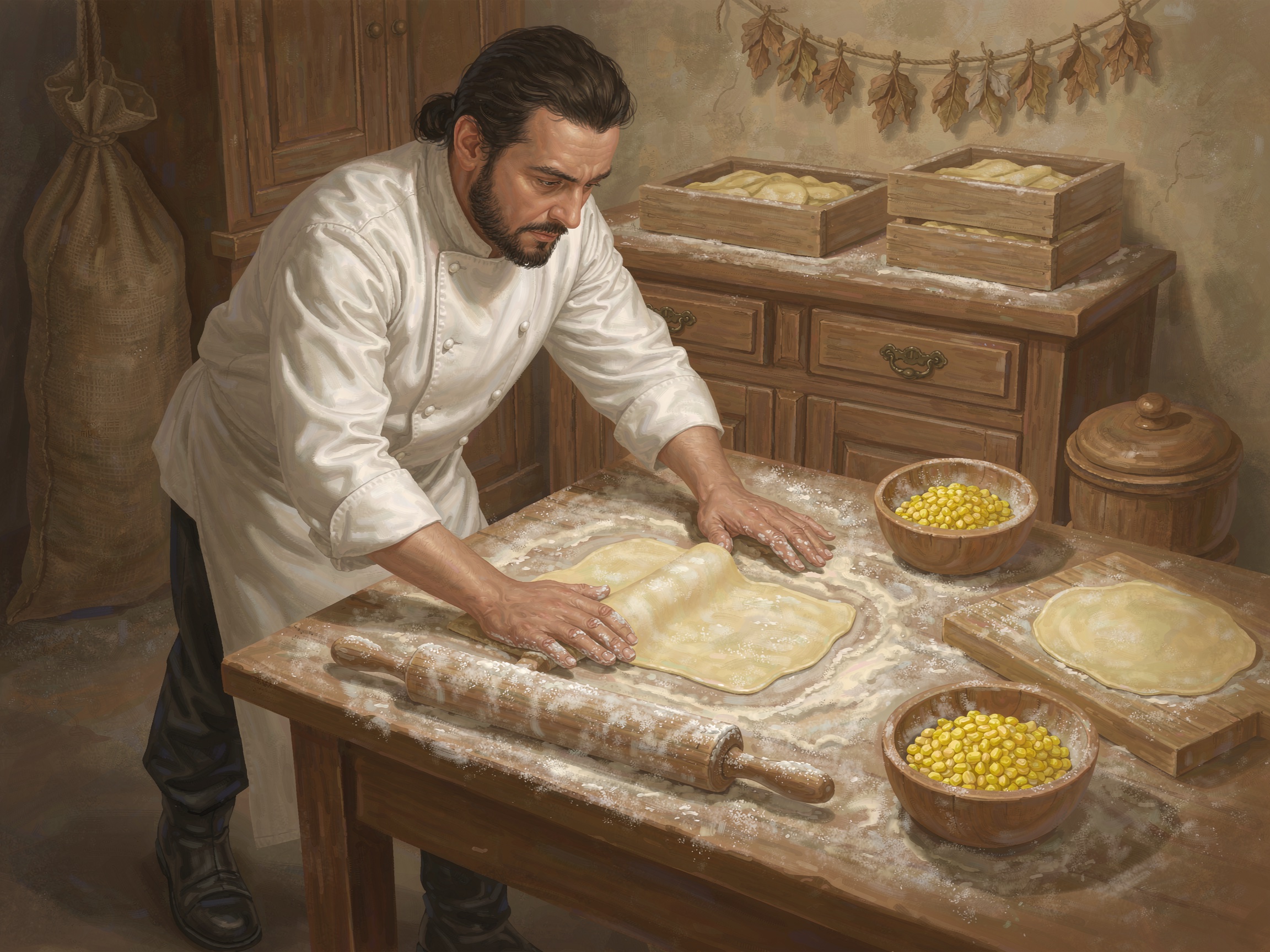
For the ultimate experience, try making pasta dough from flour and eggs. Homemade pasta has a superior texture and flavor that is hard to match.
-
24
Experiment and Have Fun
Don't be afraid to experiment with different ingredients, herbs, and techniques. Cooking pasta is both science and art — enjoy the process.

Tips
- Always salt the pasta water generously — it is your only chance to season the pasta itself
- Reserve pasta water — it is the secret ingredient for creamy, clinging sauces
- Never overcook — taste 1-2 minutes before the package time
- Finish cooking the pasta in the sauce pan for maximum flavor absorption
Warnings
- Never add oil to the pasta water — it makes pasta slippery and prevents sauce from adhering
- Don't rinse cooked pasta — it washes away valuable starch
- Don't use too little water — crowded pots lead to uneven cooking