How to Improve Your Sleep Quality: 22 Steps That Actually Work
Improve sleep with a consistent wake time, morning light, evening wind-down, caffeine limits, bedroom comfort and clear signs to seek medical advice.
Things You'll Need
- Alarm clock
- Sleep diary or notes app
- Blackout curtains or eye mask
- Comfortable bedding
- Dim evening lighting
Steps
-

Keep wake time consistent
Anchor your body clock first
Choose a wake time you can maintain on most days, including weekends. A stable wake time is often more useful than forcing an early bedtime. The CDC sleep guidance makes the same point about routine.
-

Get morning daylight
Signal that the day has started
Open curtains or spend 10–20 minutes outside after waking. Natural light helps regulate alertness and can make it easier to feel sleepy later.
-

Set a realistic bedtime window
Give yourself enough sleep opportunity
Most adults need roughly 7–9 hours. If you wake at 6:30, aim to be asleep by 22:30–23:30 depending on your needs. Start by moving bedtime in 15-minute steps.
-

Limit caffeine after early afternoon
Caffeine stays active longer than expected
Coffee, tea, energy drinks and some sodas can affect sleep hours later. If you are sensitive, move the last caffeine earlier and watch for hidden sources.
-

Avoid heavy meals close to bedtime
Digestion can disturb sleep
Eat a normal-sized dinner earlier if possible. If you need a snack, choose something light and familiar rather than rich, spicy or very sugary.
-

Reduce alcohol in the evening
Alcohol can fragment sleep
A drink may make you feel relaxed, but it can worsen sleep quality later. Try alcohol-free days and see whether mornings feel clearer.
-

Avoid nicotine late in the day
Nicotine is a stimulant
Smoking or vaping near bedtime can make it harder to fall asleep. If quitting is the goal, ask a clinician for support rather than relying only on willpower.
-

Exercise most days
Regular movement supports deeper sleep
Walking, cycling, strength training or sport can all help. Avoid very intense exercise immediately before bed if it makes you more alert.
-

Create a 30-minute wind-down routine
Lower stimulation before lights out
Use the same sequence: tidy up, wash, read, stretch or listen to calm audio. A predictable routine tells the brain that the day is closing.
-

Make the bedroom dark
Reduce light that keeps you alert
Use curtains, blinds or an eye mask. Remove bright electronics and dim standby lights where possible.
-
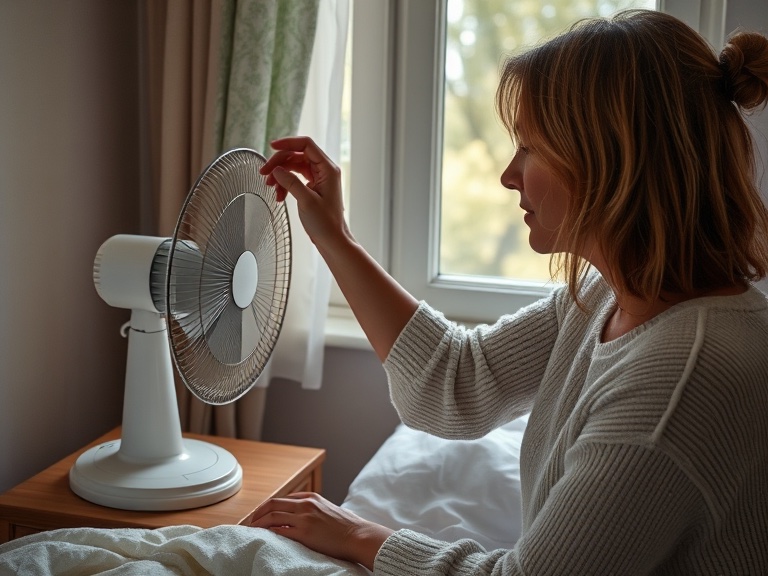
Keep the bedroom cool
A cooler room supports sleep onset
Many people sleep better around 18–20°C, but personal comfort matters. Adjust bedding, ventilation or a fan rather than making the room uncomfortably cold.
-

Use the bed mainly for sleep and intimacy
Strengthen the bed-sleep connection
Avoid long work sessions, scrolling or TV in bed. If you lie awake frustrated, get up briefly and do a quiet activity in dim light until sleepy.
-

Put screens away before bed
Light and stimulation both matter
Phones, tablets and laptops can delay sleep through blue light and engaging content. Try moving devices out of arm's reach for the last 30 minutes.
-

Write tomorrow's list earlier
Unload thoughts before lying down
If your mind races at night, make a short plan earlier in the evening. Keep the note simple: tomorrow's tasks, worries and one next action.
-

Try slow breathing or relaxation
Give the body a way to downshift
Use a comfortable breathing pattern, progressive muscle relaxation or a guided audio track. Do not force relaxation; let it be a low-effort routine.
-

Check mattress and pillow comfort
Pain and awkward posture can wake you
You do not need an expensive bed, but support matters. If you wake with neck or back discomfort, test pillow height and mattress firmness before assuming sleep is the problem.
-

Manage household disruptions
Noise, pets and children can fragment sleep
Set consistent bedtime boundaries where possible. Earplugs, a white-noise machine or a separate sleeping space for pets can help some households.
-

Treat pain, allergies and reflux
Physical symptoms are common sleep blockers
If nasal congestion, heartburn, itching or pain wakes you, address the cause with a pharmacist or clinician. Do not ignore persistent symptoms.
-

Review medication timing
Some prescriptions affect alertness
Ask a clinician or pharmacist whether your medicines are better taken in the morning or evening. Do not stop prescribed medication on your own.
-

Screen for sleep apnea if you snore or feel exhausted
Loud snoring plus daytime sleepiness needs assessment
Witnessed pauses in breathing, morning headaches or unrefreshing sleep are worth checking. A clinician can advise whether a sleep study is appropriate.
-

Limit long daytime naps
Protect nighttime sleep pressure
Short naps can help, but late or long naps may reduce sleepiness at night. If you need frequent naps, review your schedule and ask about persistent fatigue.
-

Track patterns for two weeks
Change one thing at a time
Record bedtime, wake time, caffeine, exercise and how rested you feel. After two weeks, adjust the most likely factor rather than changing everything at once.
Tips
- Change one routine at a time and give it two weeks.
- Keep the bedroom dark, cool and quiet.
- Use a short list to unload evening thoughts.
Warnings
- Do not stop prescribed medication without medical advice.
- Loud snoring with daytime exhaustion should be assessed by a clinician.
- Persistent insomnia may need professional treatment rather than more willpower.
References
About This Article
This guide was written and edited by the HowCompass editorial team. It is reviewed for clarity, safety and accuracy before publication, and revised when readers report something out of date.
Found a step that's wrong or out of date? Tell us and we'll verify and revise it.