How to Plan a Weekend Trip to Paris: 24 Steps That Actually Work
Plan a relaxed weekend in Paris with a realistic budget, timed museum tickets, smart metro routes and a day-by-day neighbourhood plan.
Things You'll Need
- Passport or ID
- Bank card and small cash
- Comfortable walking shoes
- Phone with offline maps
- Travel insurance details
- Reusable water bottle
Steps
-

Set a realistic weekend budget
Know what Paris will actually cost before you book anything
Add flights, accommodation, transport, meals, museums and one buffer day of spending. A first-time weekend in Paris often costs €450–€800 per person outside peak season, depending on where you fly from. Keep your budget-backpacking ideas in mind if you want to lower the total.
-

Choose travel dates that avoid the worst crowds
Pick shoulder seasons for shorter museum lines
Late April, May, September and early October usually give better weather and slightly shorter queues than July and August. If you must travel in summer, book timed museum entries weeks ahead and check France's official visitor guidance for seasonal events. Browse more Travel guides if you want a longer route.
-

Book flights before accommodation
Lock the fixed cost first
Search for Thursday-to-Sunday or Friday-to-Monday patterns, then compare total price including seats and bags. Once flights are fixed, choose a hotel or apartment near a metro station you can actually use.
-
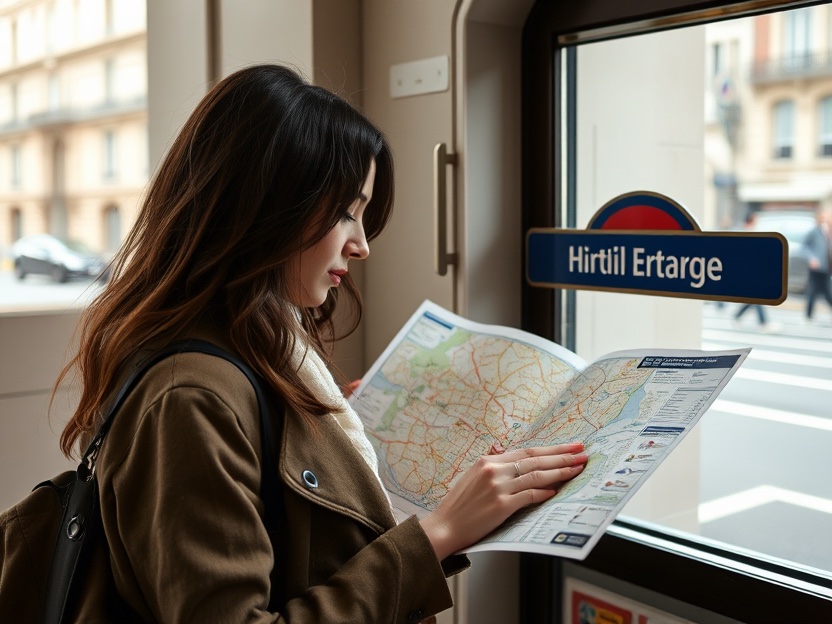
Pick a central arrondissement for your first trip
Stay near the metro, not just near the postcard
For a short weekend, the 1st, 4th, 5th, 6th, 7th, 8th, 9th, 10th, 11th, 15th and 16th arrondissements can all work well. Look for a place within 10 minutes of a metro station and check the nearest line on RATP's journey planner.
-
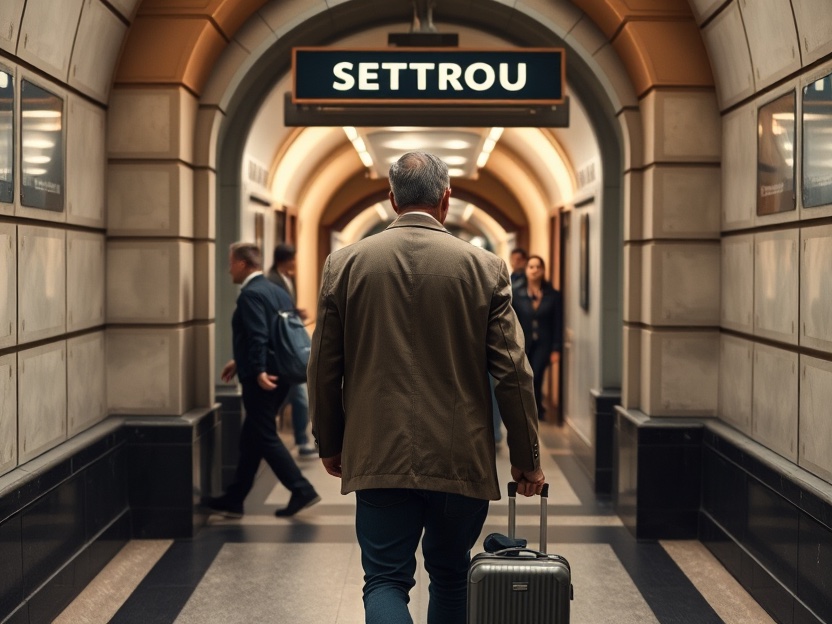
Check the exact metro and RER access
Avoid hotels that look central but are badly connected
A hotel near Line 1, Line 4, Line 7 or RER B can save time every day. If you plan to visit Versailles, confirm your route to RER C before booking.
-
Book accommodation with flexible cancellation
Protect yourself from price and plan changes
Choose refundable rooms until your flights and museum tickets are confirmed. Read the latest guest reviews for noise, lift access and check-in instructions, because many Paris buildings are older and compact.
-
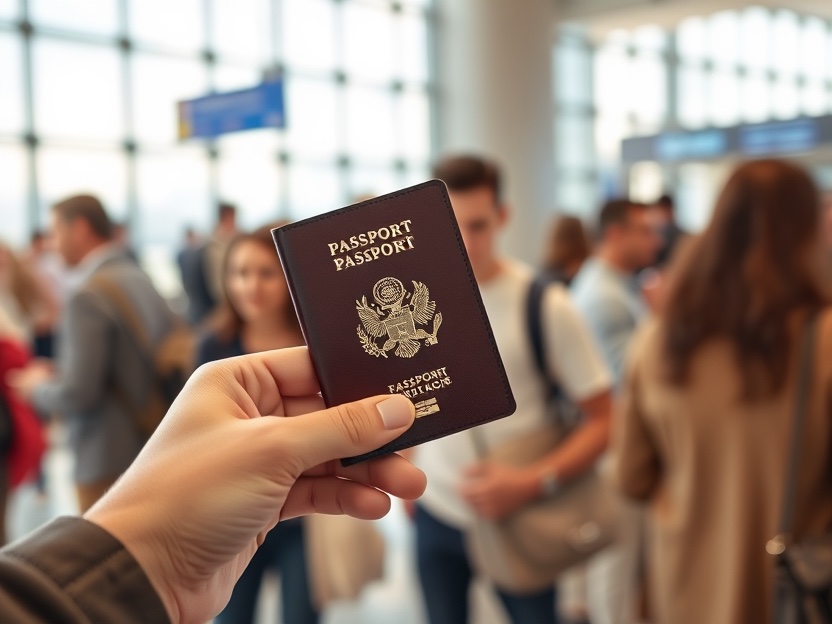
Confirm entry requirements early
Check passport validity, visa and ETIAS rules
Requirements depend on nationality and trip length. Check EU travel entry guidance well before departure, and make sure your passport is valid for the dates you plan to return.
-

Arrange travel insurance and medical cover
Cover cancellations, delays and emergencies
Compare policies for trip cancellation, medical expenses, baggage and personal liability. Keep the insurer's emergency number saved in your phone, not only in paper documents.
-
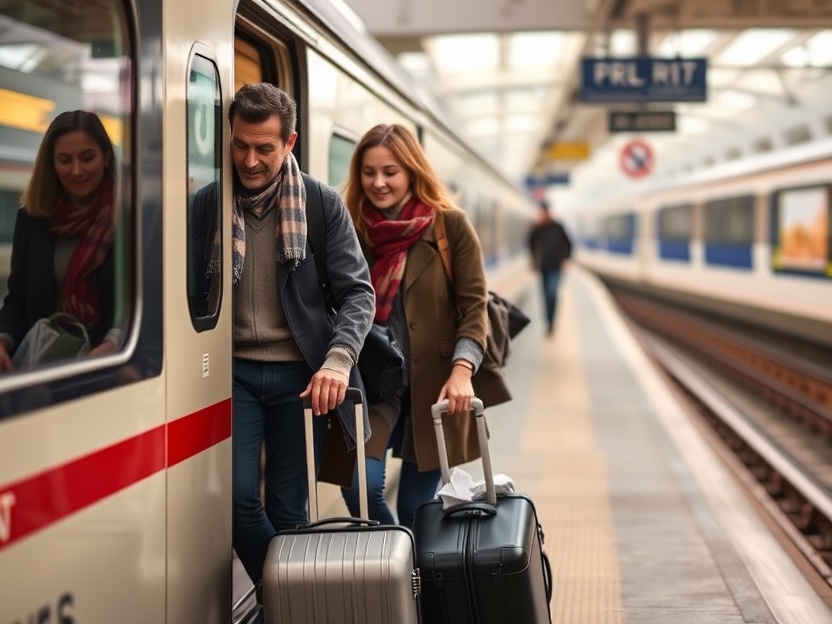
Plan the airport transfer before you land
Choose RER, taxi or shuttle based on arrival time
From Charles de Gaulle, RER B is usually fastest during the day. From Orly, check the Orlyval or tram connection. If you arrive late, pre-book a licensed taxi or airport transfer rather than guessing after a long flight.
-
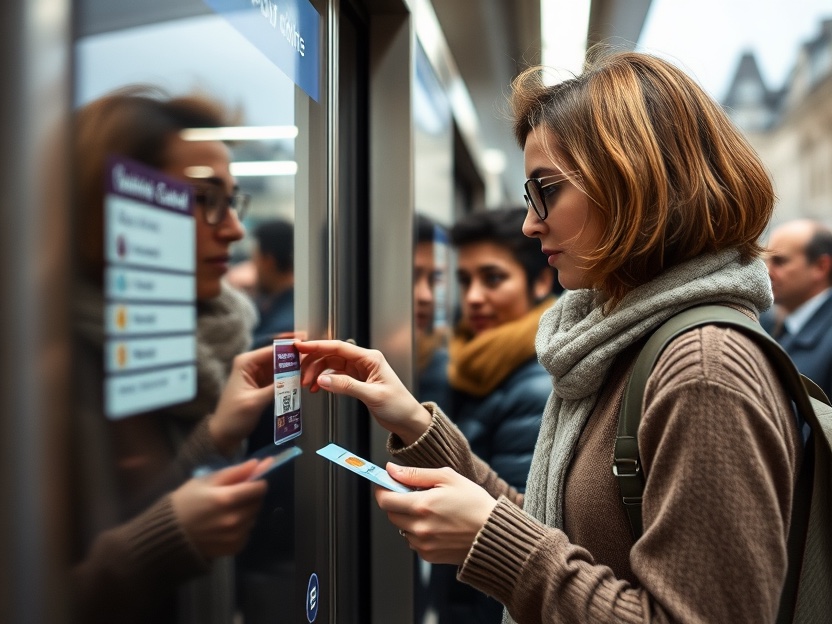
Get a Navigo Easy card or contactless tickets
Skip single-ticket queues and save time
Navigo Easy and contactless travel can make short trips easier. Check current fares on Île-de-France Mobilités before loading credit, and keep a small paper ticket as backup if your phone battery dies.
-
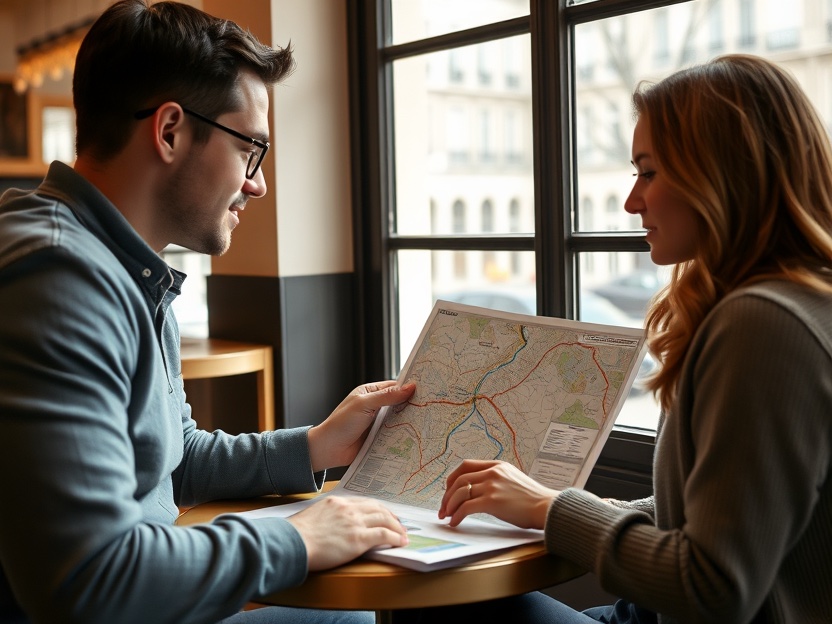
Plan one neighbourhood per day
Reduce travel time and make the trip feel calmer
Group sights by area: Louvre and Tuileries, Île de la Cité and the Latin Quarter, Montmartre, the Eiffel Tower and Champ de Mars, or the Marais. This is the same principle used in our longer 7-day Europe itinerary.
-
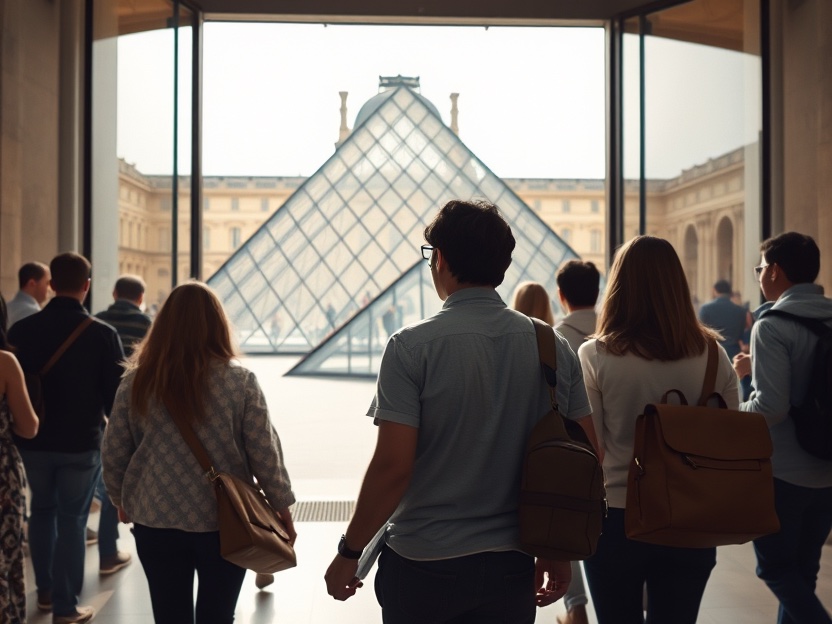
Book Louvre tickets with a timed entry
Choose an entry point and a shortlist of artworks
The Louvre is too large for a casual visit. Pick one or two wings, book a timed slot, and arrive early or late afternoon. Use the official Louvre ticket page to confirm opening days and free-entry rules.
-
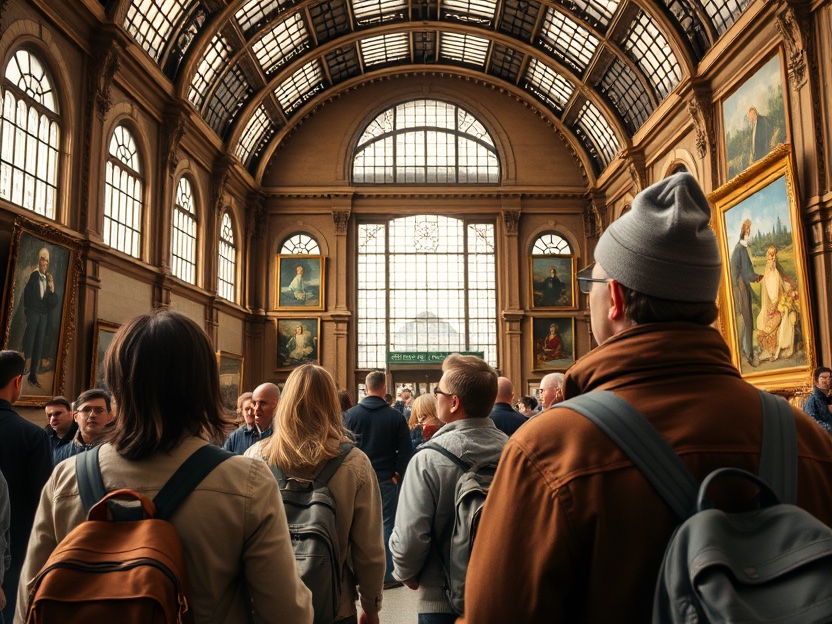
Reserve Musée d'Orsay for a half-day
See the Impressionists without a full-day museum marathon
Orsay fits well after lunch or before an evening walk. Focus on a few rooms rather than trying to see everything, and check Musée d'Orsay opening times before booking.
-
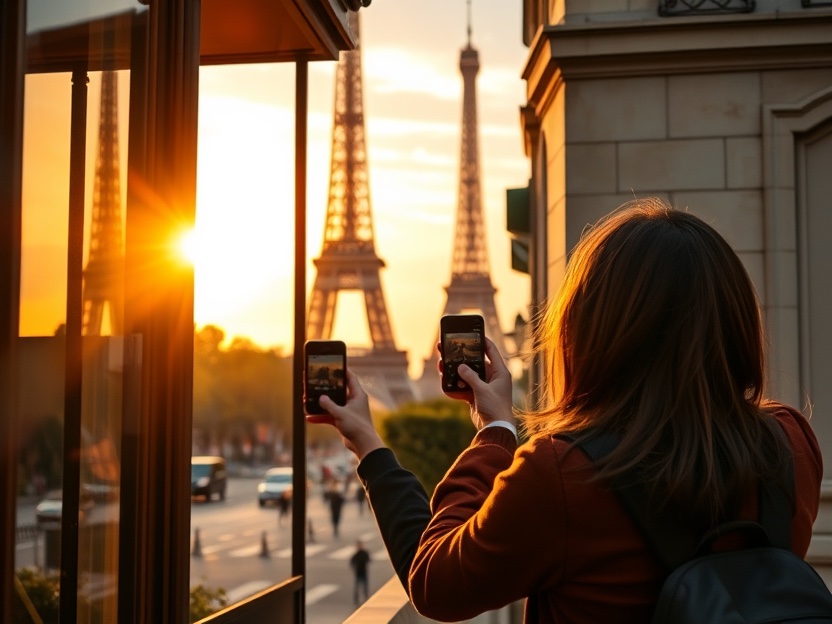
Book Eiffel Tower access if you want the summit
Summit access sells out, stairs do not always
If the lift to the top matters to you, reserve weeks ahead through the official Eiffel Tower site. For a calmer view, consider stairs to the second level or a nearby terrace.
-
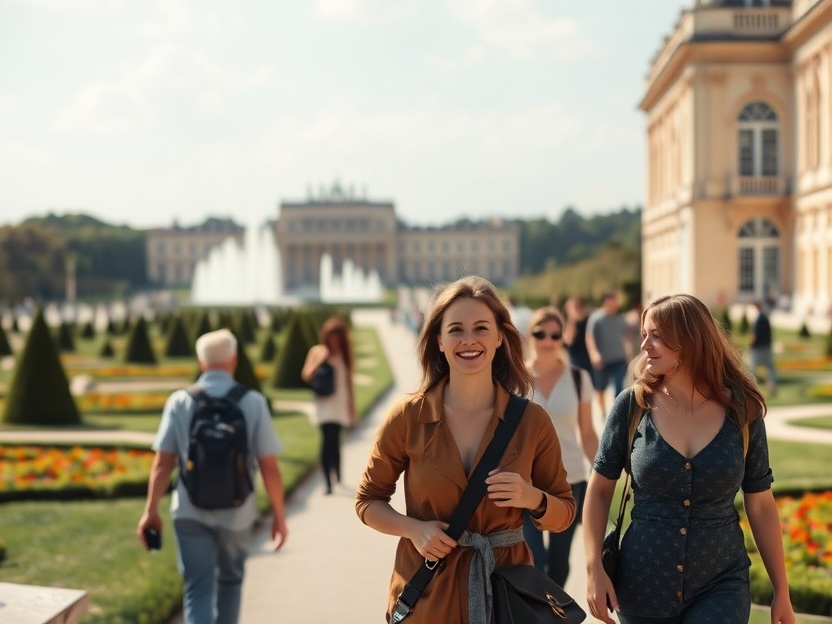
Schedule Versailles as a focused half-day
Go early, pick one route, and plan the return train
Versailles can take a whole day if you are not careful. Book the passport or palace ticket, arrive near opening, and check Château de Versailles access for closures and security queues.
-

Add one Seine cruise or evening walk
Use the river to reset the pace of the trip
A 1-hour cruise is a good way to see bridges and monuments without walking all day. Book a sunset slot if the weather is clear, and keep your bag in front of you on crowded boarding points.
-
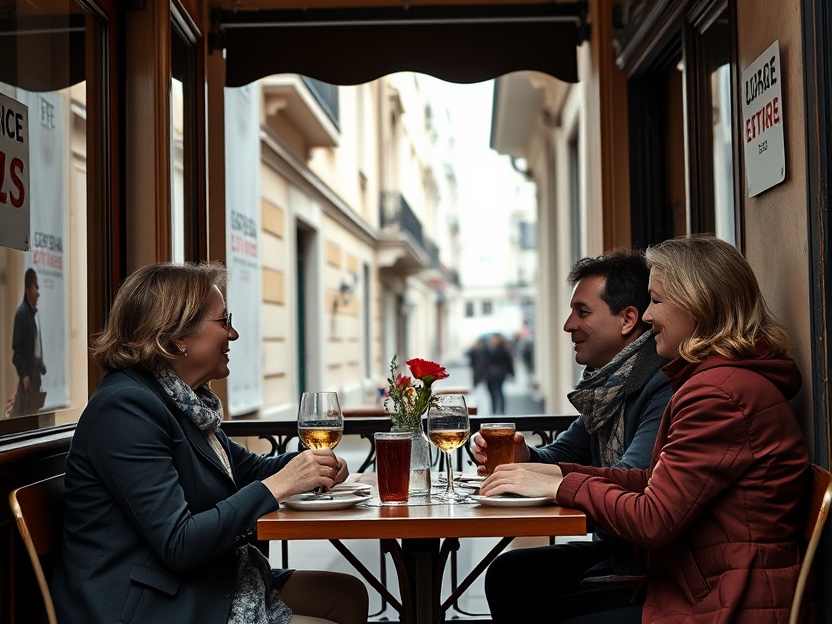
Plan meals around your walking route
Avoid tourist-trap lunches near major gates
Book one special dinner, but leave two lunches flexible. Look for bakeries, bistros and markets a few streets away from the biggest attractions. Check menus and service charges before sitting down.
-
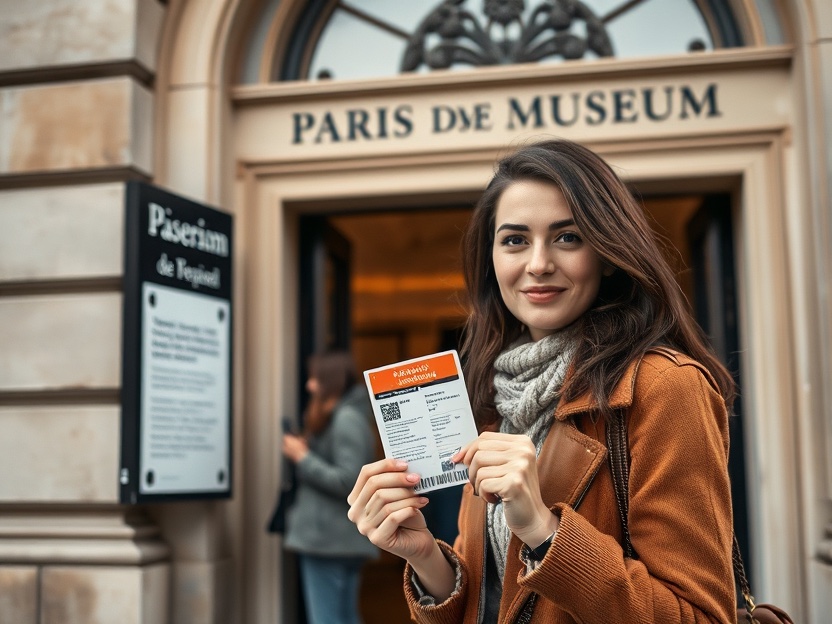
Decide whether a museum pass is worth it
Compare the pass with your planned museums
The Paris Museum Pass can save time and money if you plan several museums in two or three days. For a relaxed weekend with only one or two stops, individual timed tickets may be better.
-

Pack for long walks and uneven pavement
Comfort matters more than photos
Paris involves a lot of walking, cobblestones and stairs. Bring broken-in shoes, a light rain layer and a small cross-body bag. Avoid heavy luggage if your hotel has no lift.
-
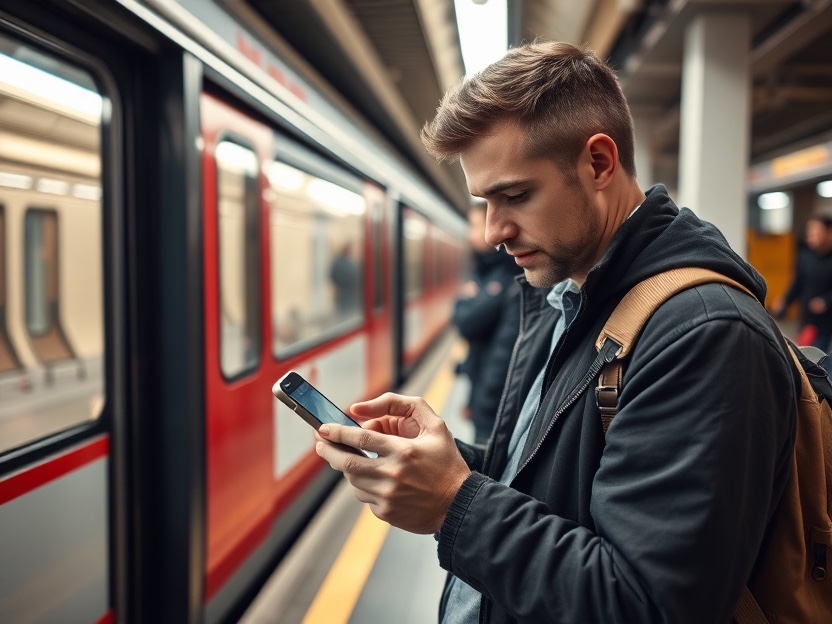
Download offline maps and essential apps
Prepare for weak signal underground
Save your hotel, stations, museums and restaurants offline. Keep screenshots of tickets and QR codes because metro basements and busy venues can slow mobile data.
-
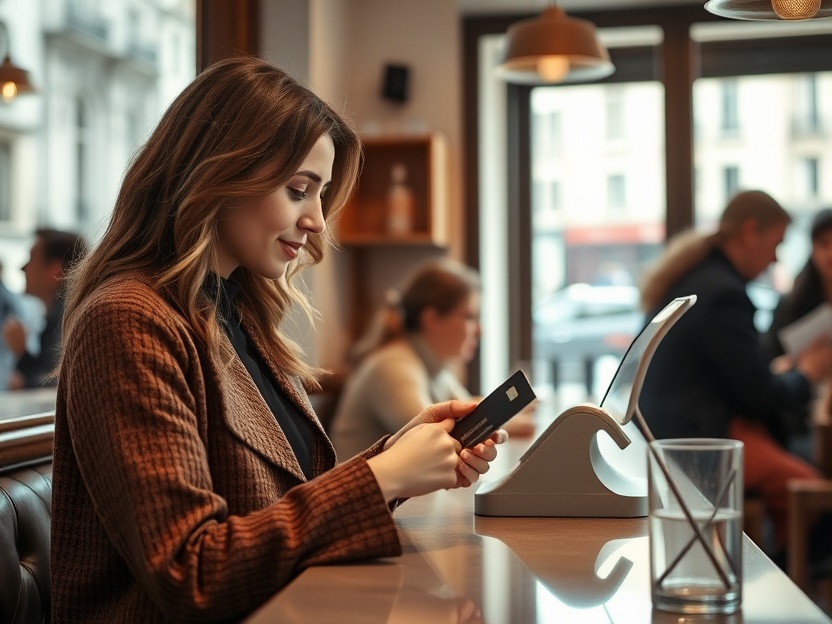
Prepare payment methods and small cash
Card works widely, but cash helps in small places
Contactless cards are accepted in most Paris shops, but carry €30–€50 for markets, toilets, tips or small cafés. Tell your bank you are travelling and enable international payments before departure.
-

Learn five useful French phrases
Politeness changes how people respond
Start with “Bonjour,” “S'il vous plaît,” “Merci,” “L'addition, s'il vous plaît” and “Parlez-vous anglais?” Even a short attempt shows respect and can make service smoother.
-

Reserve one memorable dinner table
Book the table you actually want
Choose a neighbourhood restaurant near your evening route, not a landmark view with mediocre food. Confirm the reservation time, dietary options and cancellation policy in writing.
-
Save emergency numbers and contacts
Keep help accessible without searching
Save your hotel address in French, the European emergency number 112, your insurer, and a local contact. Photograph your passport and insurance card, then store copies separately from the originals.
Tips
- Book timed museum slots before choosing a hotel if your dates are fixed.
- Plan one neighbourhood per day instead of crossing Paris twice.
- Keep screenshots of tickets for places with poor mobile signal.
Warnings
- Do not buy tickets from unofficial street sellers near major attractions.
- Check museum closure days before committing to a timed plan.
- Keep valuables out of sight on metros and crowded sightseeing streets.
References
About This Article
This guide was written and edited by the HowCompass editorial team. It is reviewed for clarity, safety and accuracy before publication, and revised when readers report something out of date.
Found a step that's wrong or out of date? Tell us and we'll verify and revise it.