How to Create a Budget That Sticks: 22 Simple Steps
Create a practical budget with realistic limits, automatic savings, subscription reviews, debt payoff order and a monthly review routine.
Things You'll Need
- Bank statements
- Calculator or spreadsheet
- Notebook or budgeting app
- Separate savings account
- Calendar with reminders
Steps
-

Calculate your reliable monthly income
Budget from money you can actually count on
Use after-tax income, not gross salary. If your income varies, use the lower end of recent months so bills are covered first. This is the same discipline used when planning a weekend trip budget.
-

Track one month of spending
See where money actually goes
Review bank statements and categorise spending into housing, food, transport, subscriptions, debt and fun. Do not judge the numbers yet; just make them visible.
-

Separate needs from wants
Protect essentials before lifestyle spending
Needs include rent, utilities, groceries, minimum debt payments and transport to work. Wants can be reduced faster when money is tight, so label them honestly.
-

Choose a budget method you can maintain
Pick a system that fits how you think
Try 50/30/20 for simplicity, zero-based budgeting for control, or a hybrid where fixed bills are automated and discretionary spending is tracked weekly. The best method is the one you will actually follow.
-

Set a savings target before spending
Make saving a bill, not an afterthought
Even €25–€50 per month can start the habit. Increase the amount when income rises or a debt is paid off, but keep the target realistic enough to survive a bad month.
-

Build a starter emergency fund
Create a small buffer before aggressive goals
Aim for one month of essential expenses first, then three months if possible. Keep it in a separate savings account so it is not mixed with daily spending.
-
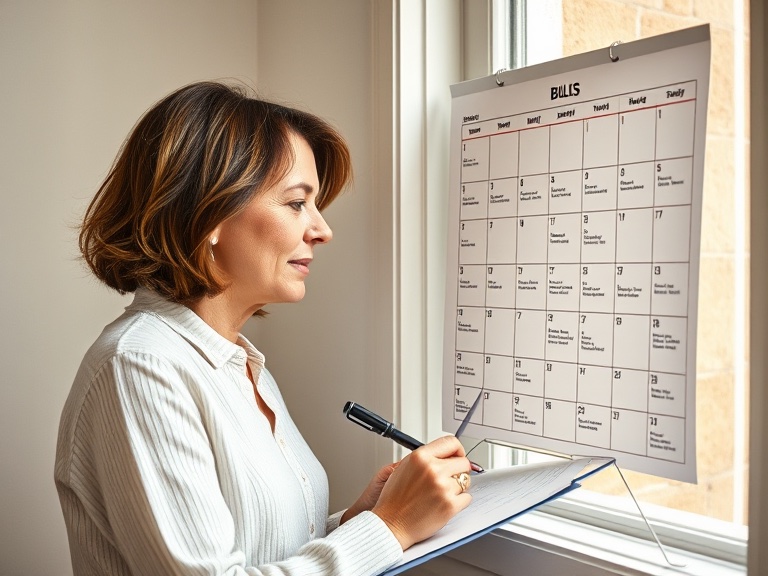
List recurring bills and dates
Avoid late fees and surprise withdrawals
Write down rent, utilities, insurance, phone, streaming, gym and subscriptions with due dates. Put important dates in a calendar or task app.
-

Identify variable spending
Food, transport and entertainment move first
Variable costs are easier to adjust than rent or insurance. Set weekly limits for groceries, cafés, taxis and impulse shopping so changes feel manageable.
-

Set realistic category limits
Do not build a budget that fails by Wednesday
Cut spending gradually. If you usually spend €300 on food, a €120 target may be unrealistic. Try a smaller reduction first, then tighten after two successful months.
-

Create a weekly spending allowance
Make daily decisions simpler
Move a fixed amount into a spending account or cash envelope each week. When it is gone, discretionary spending pauses until the next week.
-

Separate bank accounts by purpose
Reduce accidental overspending
Use one account for bills, one for savings and one for daily spending. This does not need to be complicated; two accounts can be enough to create friction.
-

Automate bills and savings
Remove willpower from the basics
Schedule rent, utilities and minimum debt payments, then automate savings on payday. Keep a buffer in the checking account so automatic payments do not cause overdrafts.
-

Review subscriptions monthly
Cancel what you have outgrown
Check streaming, apps, gym memberships and boxes you no longer use. If you keep a subscription, set a reminder to review it again in three months.
-

Plan irregular expenses
Car repairs and gifts are predictable over time
Set aside small amounts each month for annual insurance, holidays, birthdays and home maintenance. This is part of the same planning mindset used in our home cleaning budget guide.
-

List credit card balances and rates
Interest can undo a tight budget
Write down each balance, minimum payment and interest rate. Pay minimums on all cards, then direct extra money to the highest-interest balance if you use the avalanche method.
-

Choose a debt payoff order
Pick avalanche or snowball and stay consistent
Avalanche pays the highest interest first and can save money. Snowball pays the smallest balance first and can build motivation. The right choice is the one you can maintain.
-
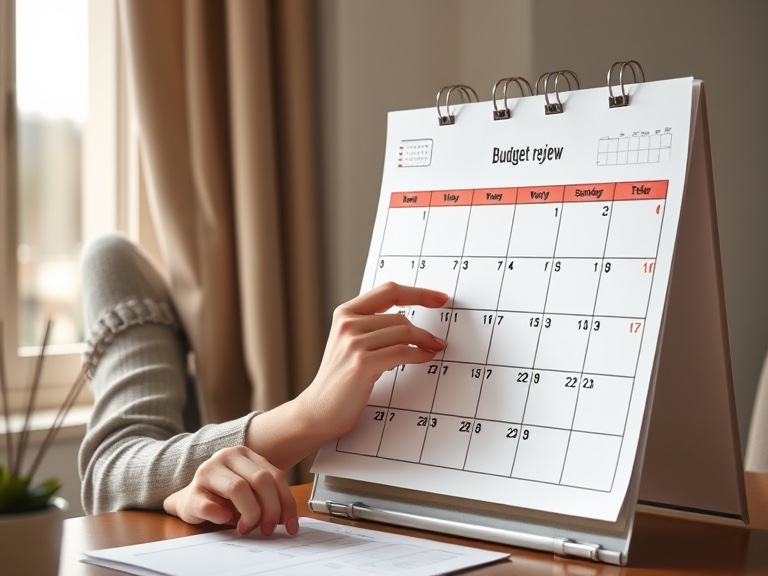
Set a monthly budget review date
Adjust before small problems become big ones
Review spending, savings and upcoming bills on the same day each month. Fix one category at a time rather than restarting the entire plan.
-

Use cash or debit limits for weak categories
Add friction where overspending happens
If takeout or shopping is the leak, use cash, a prepaid limit or a separate card with a low balance. Credit cards are convenient, but they can hide the feeling of spending.
-

Plan occasional spending guilt-free
A budget that bans fun usually breaks
Set a small allowance for dinners, travel, gifts and hobbies. When the allowance is spent, pause until next month instead of borrowing from essentials.
-

Improve the margin between income and costs
Cut fixed costs or increase reliable income
Review insurance, phone, transport and rent annually. If cuts are not enough, look for side income, overtime or a higher-paying role. Even a small monthly increase can accelerate savings.
-

Protect the plan with basic insurance
One accident can erase months of progress
Health, car, renter and liability coverage vary by country. Compare policies and avoid gaps that could force you into debt after an emergency.
-
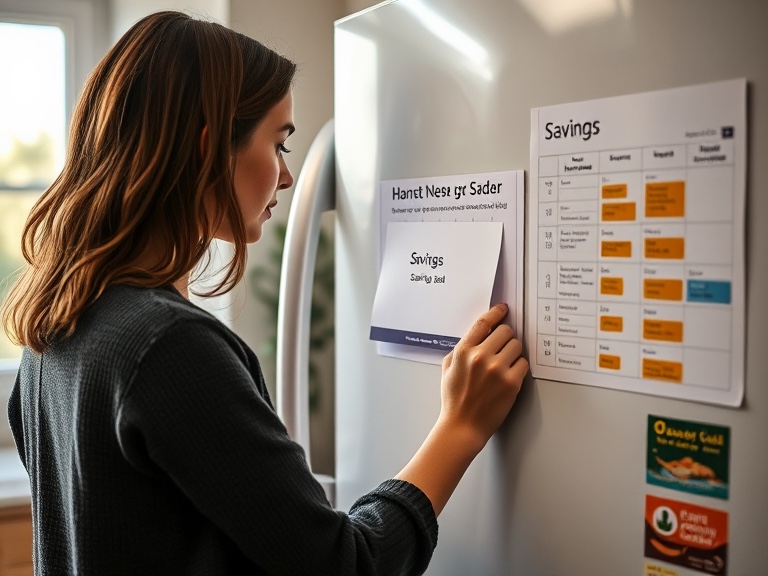
Keep goals visible
Make the tradeoff easier to remember
Put a short goal note near your budget file: emergency fund, debt-free date, travel fund or home deposit. Goals work best when they are specific enough to measure.
Tips
- Start with one month of spending data before choosing a budget method.
- Automate savings on payday.
- Review subscriptions and irregular expenses monthly.
Warnings
- Do not skip minimum debt payments while chasing savings goals.
- Avoid budgeting from gross income; use reliable after-tax income.
- If debt is severe, speak with a reputable nonprofit credit counselor before choosing a payoff plan.
References
About This Article
This guide was written and edited by the HowCompass editorial team. It is reviewed for clarity, safety and accuracy before publication, and revised when readers report something out of date.
Found a step that's wrong or out of date? Tell us and we'll verify and revise it.